

 English
 English
 русский
 Español
- Type:
- Industry News
- Date
- 2026-Jul-24
Industry News
Thin Line Stamp Pen: Precision Marking Tool for Detail Work
The thin line stamp pen has become a preferred marking instrument for artists, crafters, and professionals requiring precise, consistent lines in their work. This pen combines a fine-point tip with a built-in stamp mechanism that creates uniform impressions without the need for separate ink pads or messy applications. Recent user feedback indicates that these pens excel in detailed projects such as journaling, scrapbooking, and industrial marking, where clean, narrow lines are essential for legibility and aesthetic appeal.
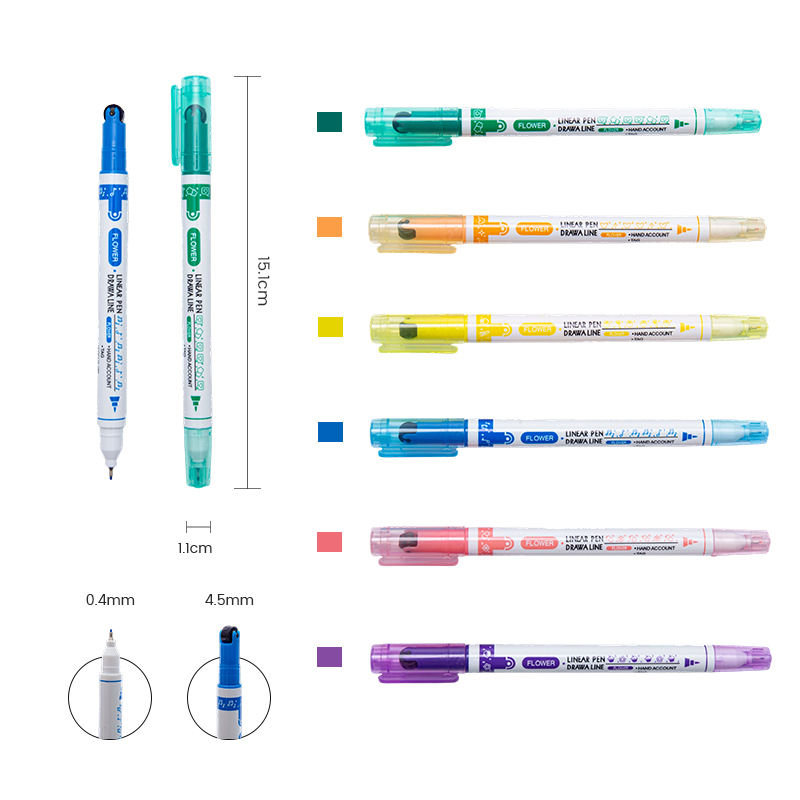
Tip Design and Line Width Specifications
The defining feature of the thin line stamp pen is its ultra-fine tip, which produces lines typically ranging from 0.3 to 0.8 millimeters in width. The tip is crafted from durable materials such as hardened steel, ceramic, or high-density polymer, designed to maintain its shape and precision through thousands of applications. The tip geometry includes a slightly rounded or conical point that glides smoothly over paper, fabric, or metal surfaces. Unlike standard markers that require varying pressure to achieve line variation, the stamp mechanism delivers consistent line thickness with each press, ensuring uniformity across repeated markings. This consistency is particularly valuable for creating borders, guidelines, and repetitive patterns.
Stamp Mechanism and Impression Quality
The thin line stamp pen features an internal spring-loaded or push-button mechanism that transfers ink from the reservoir to the tip only when pressure is applied. This design prevents ink bleed and tip drying between uses. The stamp action produces a crisp, clean impression with small feathering or spreading, even on porous materials. The mechanism includes a shock-absorbing component that cushions the tip upon contact, reducing wear and maintaining line integrity. Some models offer adjustable pressure settings, allowing users to control line darkness and ink flow based on the surface texture. The stamp mechanism also ensures that each impression is identical, eliminating the variability common with freehand marking.
Ink Formulation and Drying Characteristics
The ink used in thin line stamp pens is formulated to flow smoothly through the fine tip while drying quickly to prevent smudging. Common ink types include:
- Water-based inks for easy clean-up and low odor, suitable for paper and porous surfaces;
- Alcohol-based inks for faster drying and permanent adhesion on non-porous surfaces;
- Oil-based inks for metal, glass, and plastic applications;
- Pigment-based inks for fade-resistant and waterproof results.
Drying times range from 5 seconds on absorbent paper to 30 seconds on glossy surfaces. The ink is engineered to resist bleeding along paper fibers, maintaining sharp edges even on low-quality stock. Archival-quality inks are available for projects requiring long-term preservation.
Application Surfaces and Industry Uses
The thin line stamp pen performs effectively on a wide range of materials. Paper and cardstock are the most common surfaces, with the pen producing outstanding results on both smooth and textured finishes. Fabric applications include quilting and garment labeling, though heat-setting may be required for permanence. Metal surfaces accept oil-based formulations for part marking and labeling. Plastic and acetate benefit from alcohol-based inks. The marker can also mark wood, ceramic, and leather with appropriate ink selection. The precision of the thin line stamp pen makes it suitable for a wide variety of applications:
- Scrapbooking, card making, and paper crafting;
- Bullet journaling, planner decoration, and handwriting practice;
- Technical drawing, architectural sketching, and blueprint annotation;
- Industrial part marking, inventory labeling, and quality control stamping.
Comparisons with Other Fine Line Markers
When compared to technical pens and fineliners, the thin line stamp pen offers several distinct advantages. Technical pens require regular cleaning to prevent clogging, whereas stamp pens are maintenance-free. Fineliners often have inconsistent ink flow due to pressure variation, while the stamp mechanism ensures uniform line density. Standard markers have wider tips and less precision, limiting their use in detailed work. The stamp pen's ability to produce repeated identical impressions also sets it apart from freehand instruments. While refillable technical pens may be more economical over time, the thin line stamp pen's convenience and reliability appeal to users who value consistency and ease of use.
Maintenance and Care Guidelines
- Proper maintenance extends the service life and performance of the thin line stamp pen. Recommended practices include:
- Capping the pen immediately after use to prevent tip drying and ink evaporation;
- Storing the pen horizontally to maintain ink flow to the tip;
- Cleaning the tip periodically with a soft cloth or isopropyl alcohol to remove residue;
- Avoiding excessive pressure that could damage the stamp mechanism or deform the tip.
If the pen becomes clogged, gently tapping the tip on scrap paper or using a specialized cleaning solution can restore flow. Replacement tips and refill cartridges are available for many models.
Purchasing Considerations and Quality Indicators
When selecting a thin line stamp pen, evaluating several key factors ensures the outstanding match for intended use. Line width consistency is a primary indicator of quality—predominant pens produce identical lines without feathering or skipping. The material construction, including tip durability and housing material, should be appropriate for the intended working environment. Ink quality affects drying time, fade resistance, and surface compatibility, making it essential to match the ink formulation to the application. Availability of refills may also influence purchasing decisions, as refillable pens offer better long-term economy. Finally, the ergonomics and overall handling comfort are crucial for extended use, with rubber grips and balanced weight distribution enhancing user experience.
Related Products
-
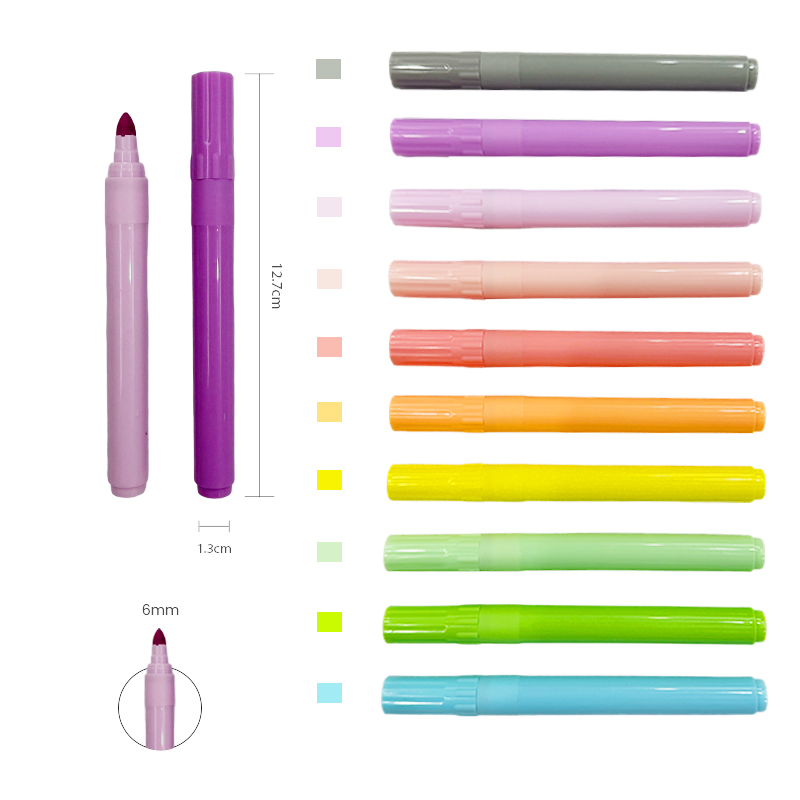
High-Opacity 6mm Round-Tip Watercolor Marker
Product Overview The High-Opacity 6mm Round-Tip Watercolor Marker stands out for its high-coverage gouache ink that colors directly on dark paper – ...
View More -
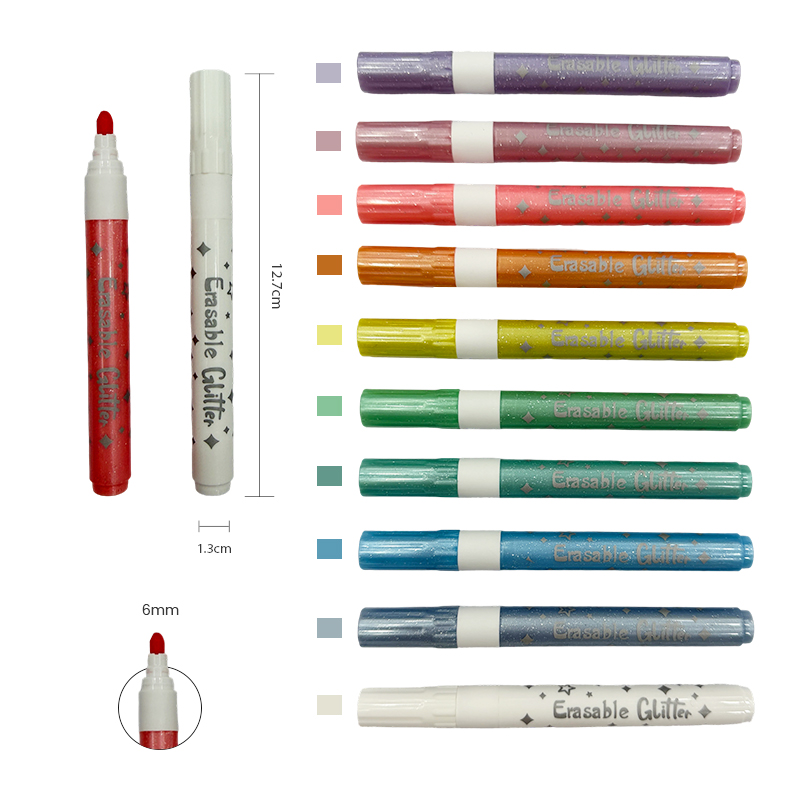
Eco-Friendly 6mm Round-Tip Erasable Highlighter Pen
Product Overview The Eco-Friendly 6mm Round-Tip Erasable Highlighter set includes 9 shimmering colored pens plus 1 dedicated white eraser pen. Featuri...
View More -
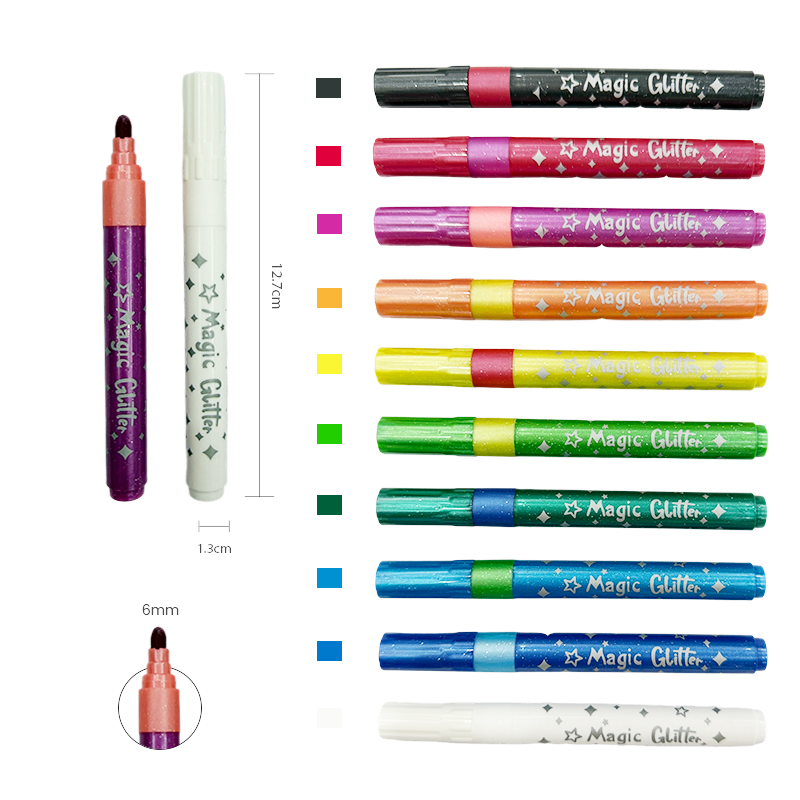
Children's Creative Magic Color-Changing Highlighter Set
Product Overview The Children's Creative Magic Color-Changing Highlighter set includes 9 shimmering colored pens in different color families plus 1 de...
View More -
Vibrant 12-Color Single-Tip Highlighter Pen
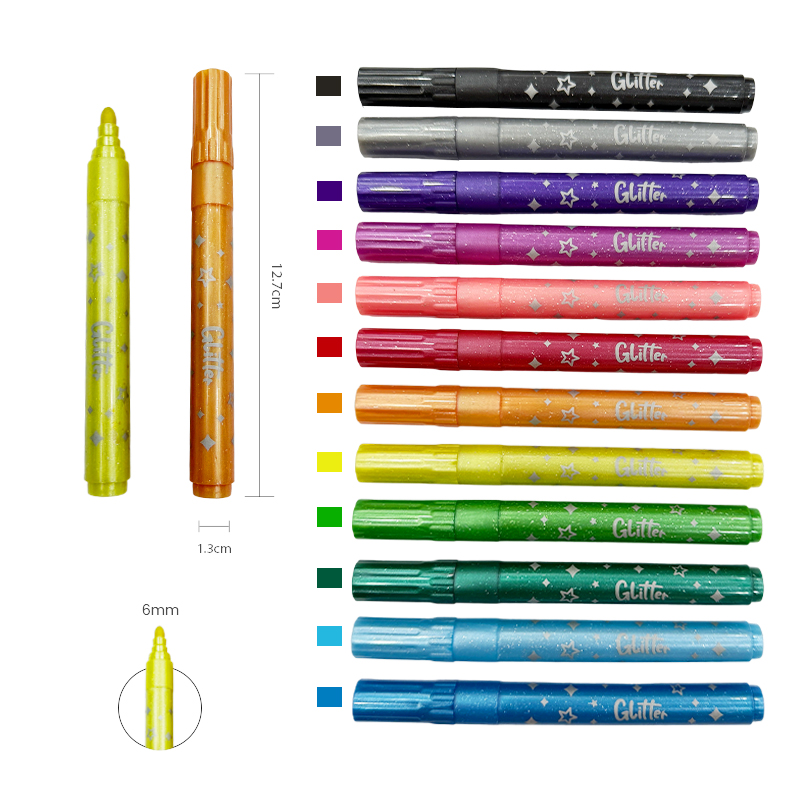
Product Overview The Vibrant 12-Color Single-Tip Highlighter Pen set includes 12 single-tip shimmering colored pens filled with water-based glitter in...
View More -
812-50 Smooth-Flowing 50-Color Watercolor Marker
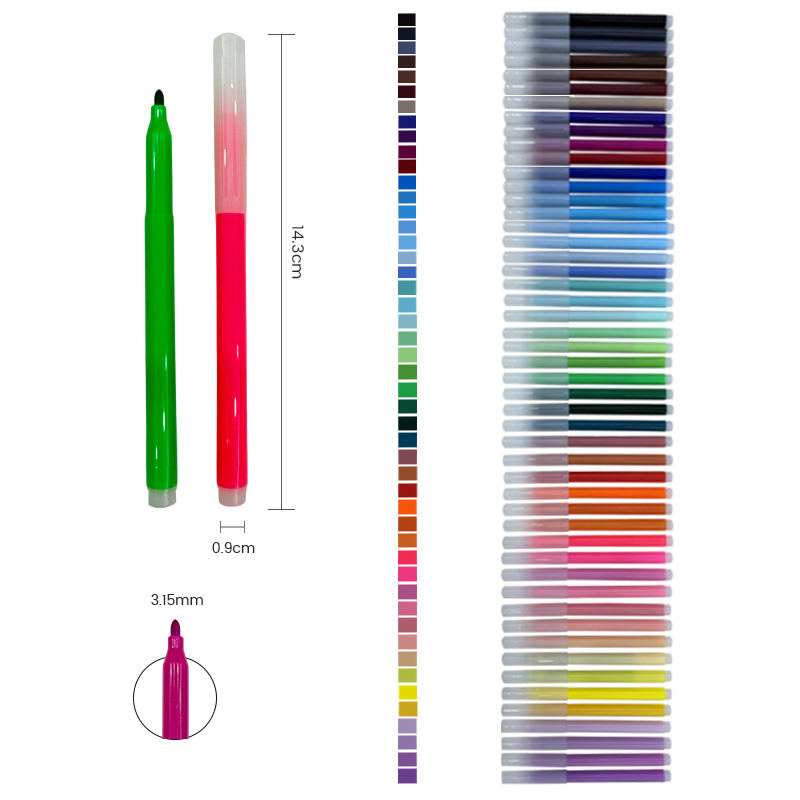
812-50 Smooth-Flowing 50-Color Watercolor Marker is suitable for Art enthusiasts and students. 1. Core Advantages (3-in-1 Value Proposition) Smooth In...
View More -
801M-10 Two-Tone Barrel Magic Markers for School
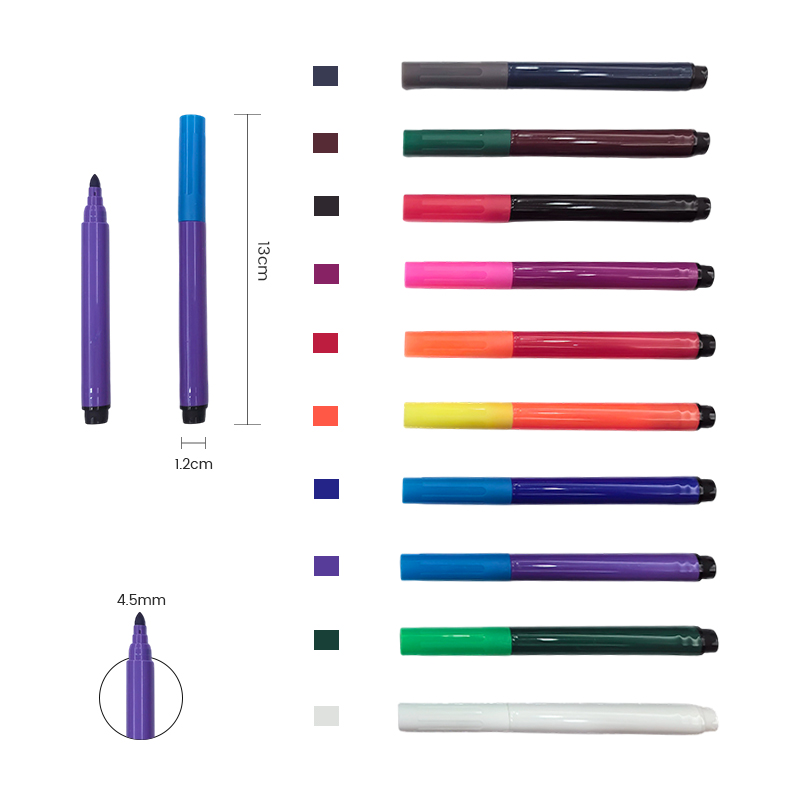
Designed to spark children's creativity and curiosity, these 801M-10 Two-Tone Barrel Magic Markers for School feature a unique characteristic: the ink...
View More -
806M-10 Color Changing Magic Markers
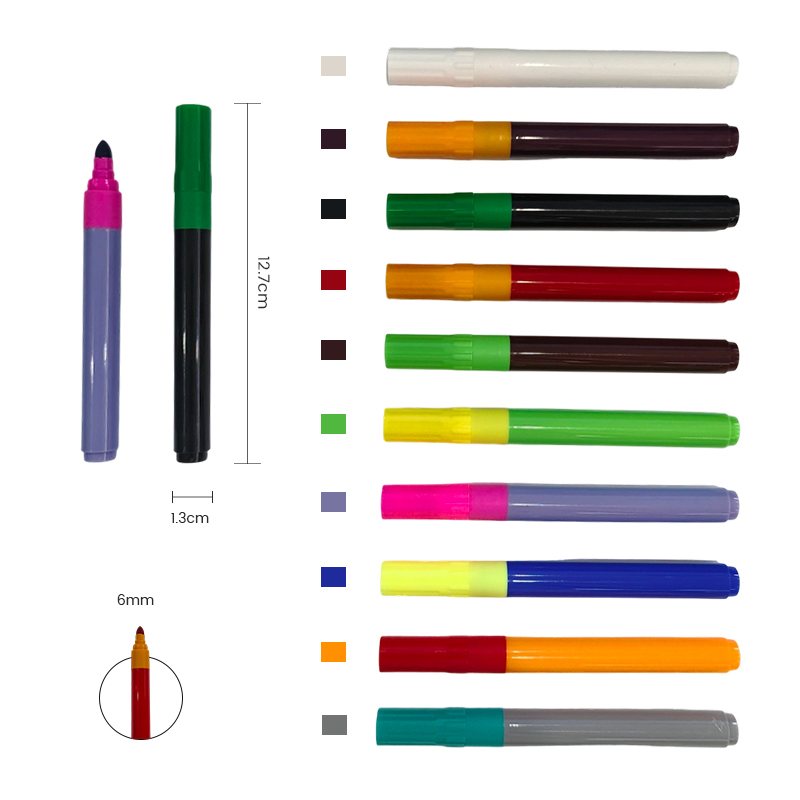
806M-10 Color Changing Magic Markers are a set of fun drawing tools designed for children, students, and creative enthusiasts, combining three core fe...
View More -
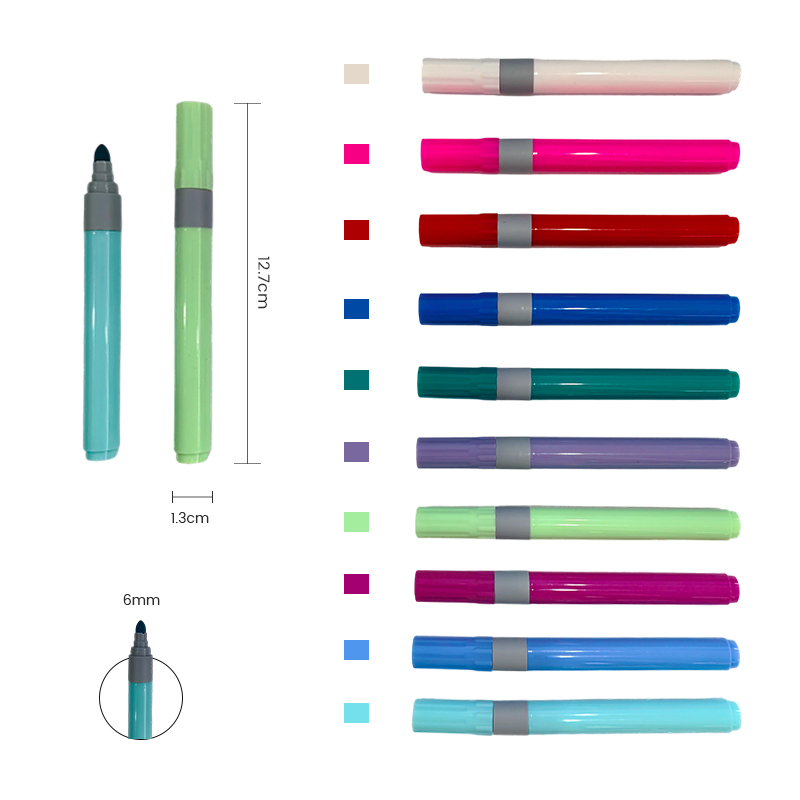
806E-10 Washable Erasable Magic Markers for Kids Drawing
Designed for children, students, and journaling enthusiasts, these magic markers combine three key advantages: safety and non-toxicity, vibrant colors...
View More


Information
-

TEL & Whatsapp: +86-15773630590
TEL : +86-13676769913
+86-19519895579 -

E-mail : [email protected]
[email protected]
[email protected]
[email protected] -
 Building 18-1, Lot 9, Wanyang Zhizao Town, Bihu Town, Liandu District, Lishui City, Zhejiang Province, China
Links
Contact Us
