English
 English
 русский
 Español
- Type:
- Industry News
- Date
- 2026-Jul-03
Industry News
Home / News / Industry News / Non-Slip Grip Portable Fineliner: The Pen That Has to Survive Your Bag
Many fineliners write well on a test pad in a store. The real test happens later—uncapped on a desk during a phone call, stuffed in a pencil case, dropped, found, and expected to write without skipping. A non-slip grip portable fineliner has to handle all of that and still deliver a clean, consistent line. The factories that get this right focus on three things: the cap seal, the ink formula, and a grip section that actually works when your hands are tired.
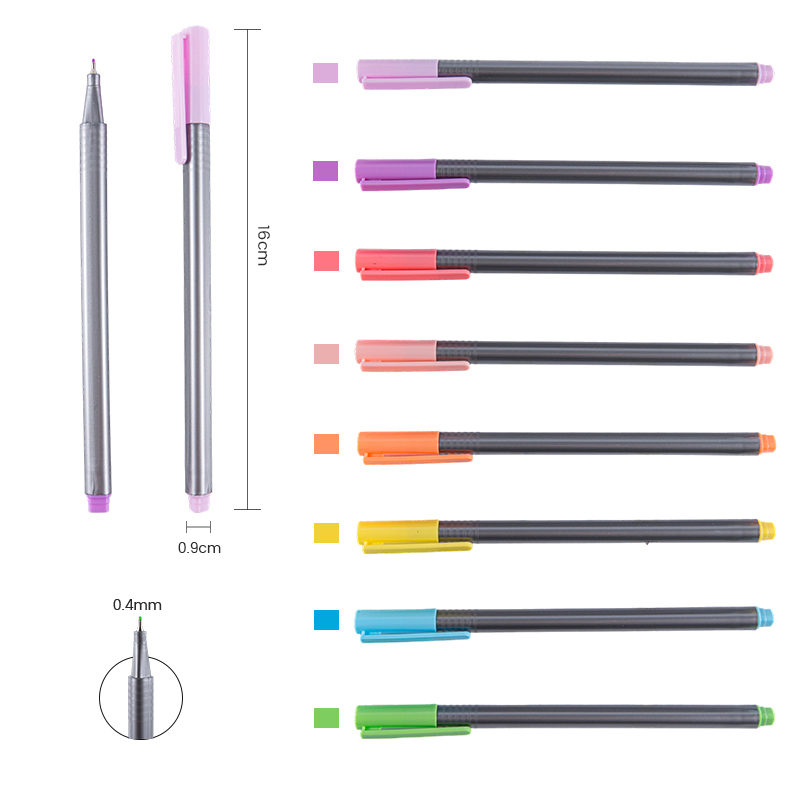
A fineliner stops working because the tip dries out, not because it runs out of ink. The cap is the only defence. A non-slip grip portable fineliner needs a cap that seals airtight around the nib. A friction-fit cap without an internal liner allows air to circulate, and the pen dies within weeks. A lined cap with a positive snap closure keeps the nib wet. The cap should click firmly into place and the inner liner must cup the nib completely. A factory that publishes an uncapped dry-out time has tested it. One that avoids the question is selling a pen that needs to be recapped every time the user pauses to think. A good pen writes within a stroke or two after sitting uncapped for ten minutes.
Fineliner ink is either dye-based or pigment-based. Dye ink flows wet and looks bright, but smears with water and fades in sunlight. Pigment ink is waterproof and lightfast. A non-slip grip portable fineliner for artists, journal writers, or anyone who wants their work to last should use pigment ink. The line width must match the stated tip size across the full stroke with no blobbing, skipping, or fading. Ask the factory for the ink type and the lightfast standard they test to. No answer means dye-based ink that will fade in a sunny notebook.
A smooth plastic barrel gets slippery with sweaty hands. A non-slip grip portable fineliner uses a rubber or elastomer grip zone where the fingers rest. Overmoulding the grip directly onto the barrel is the durable method. A slip-on rubber sleeve is cheaper but stretches over time, slides, or collects debris at the seam. The texture should be fine enough not to irritate during long writing. Grip diameter sits outstanding between 9 and 11 millimetres for most adult hands.
Here is what to check on a grip sample:
A portable pen clips to notebooks, pockets, and bag organizers. A thin moulded plastic clip snaps when caught on a thick seam. Metal or glass-reinforced resin clips survive daily use. Test by hooking the clip over a thick notebook cover and pulling gently. If the plastic whitens at the stress point, it will break. The cap also needs to stay on when the pen drops from desk height.
Write a full page and check for consistent line quality. Leave the pen uncapped at five, ten, and fifteen-minute intervals and test restart behaviour. Draw a circle against a ruler and check that the line width stays uniform. Wet a written line and rub it—pigment ink should not smear. Snap the cap on and off fifty times and confirm the click stays sharp. Hold the pen with a relaxed grip and write for ten minutes. If your fingers slip or the line breaks, the pen fails.
A non-slip grip portable fineliner factory that has tuned the cap liner, selected pigment ink, and overmoulded a proper grip produces a pen that disappears in the hand and works every time. One that hasn't produces a pen that writes beautifully on day one and dries out by the next meeting. Test the samples the way a user actually treats a pen—uncapped, carried, and expected to write.
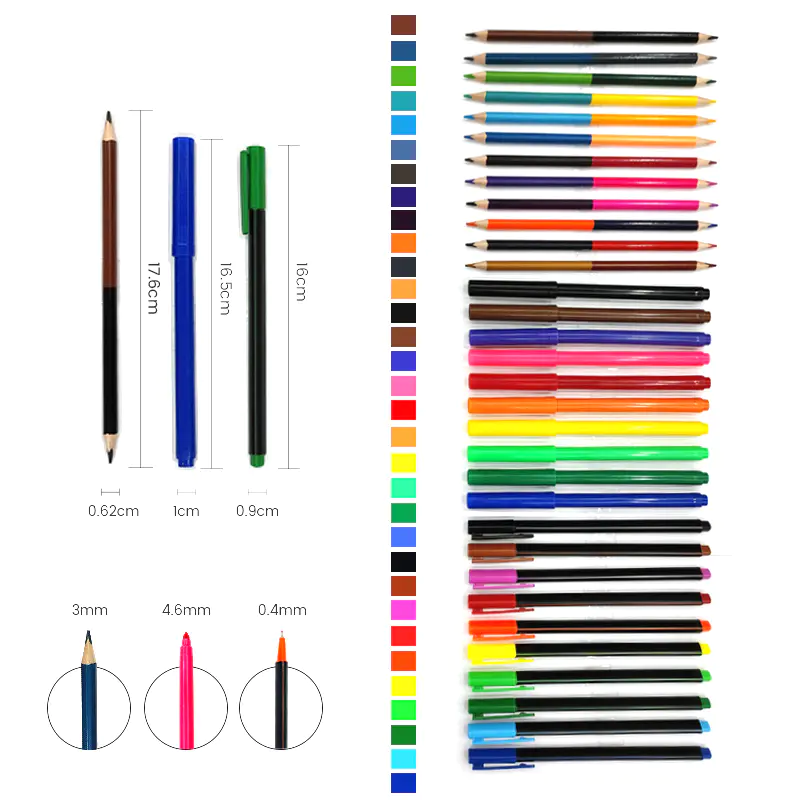
Product OverviewThe MBTZ-101 Watercolor Marker & Colored Pencil Set combines fiber-tip watercolor markers, sharpenable wood-barrel colored pencils...
View More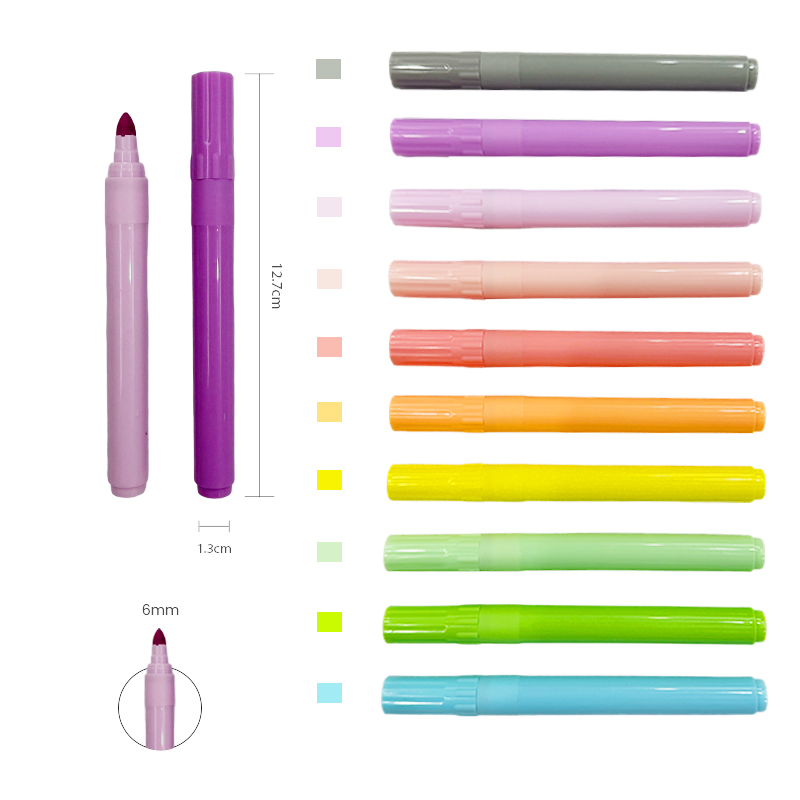
Product Overview The High-Opacity 6mm Round-Tip Watercolor Marker stands out for its high-coverage gouache ink that colors directly on dark paper – ...
View More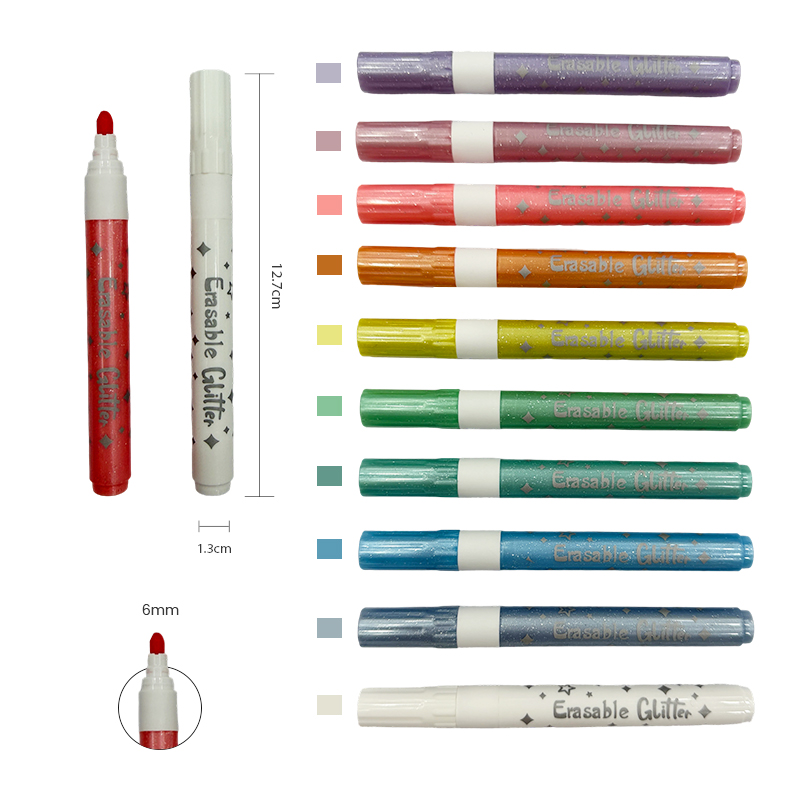
Product Overview The Eco-Friendly 6mm Round-Tip Erasable Highlighter set includes 9 shimmering colored pens plus 1 dedicated white eraser pen. Featuri...
View More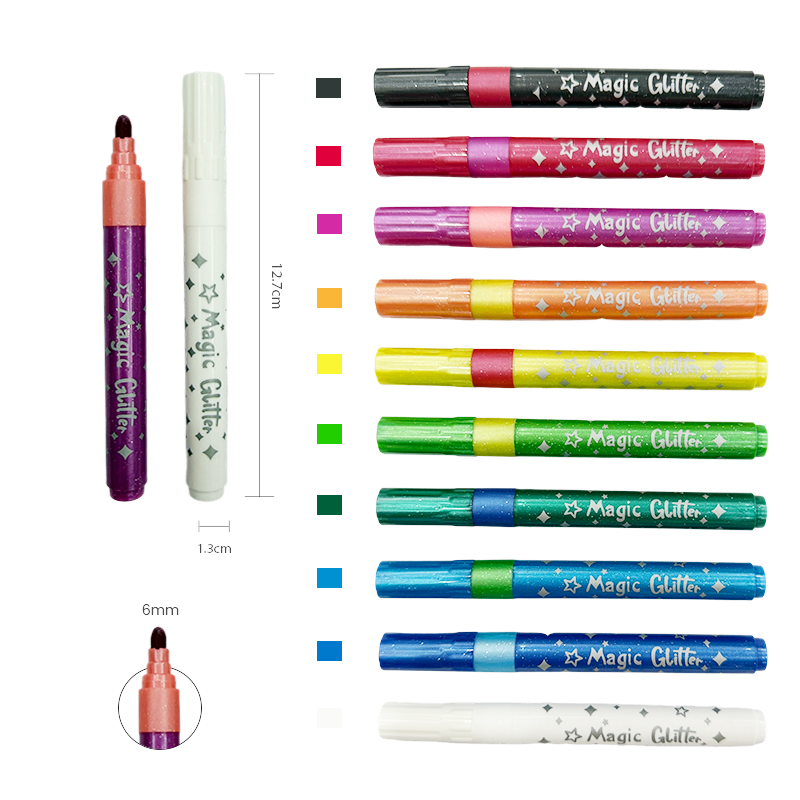
Product Overview The Children's Creative Magic Color-Changing Highlighter set includes 9 shimmering colored pens in different color families plus 1 de...
View More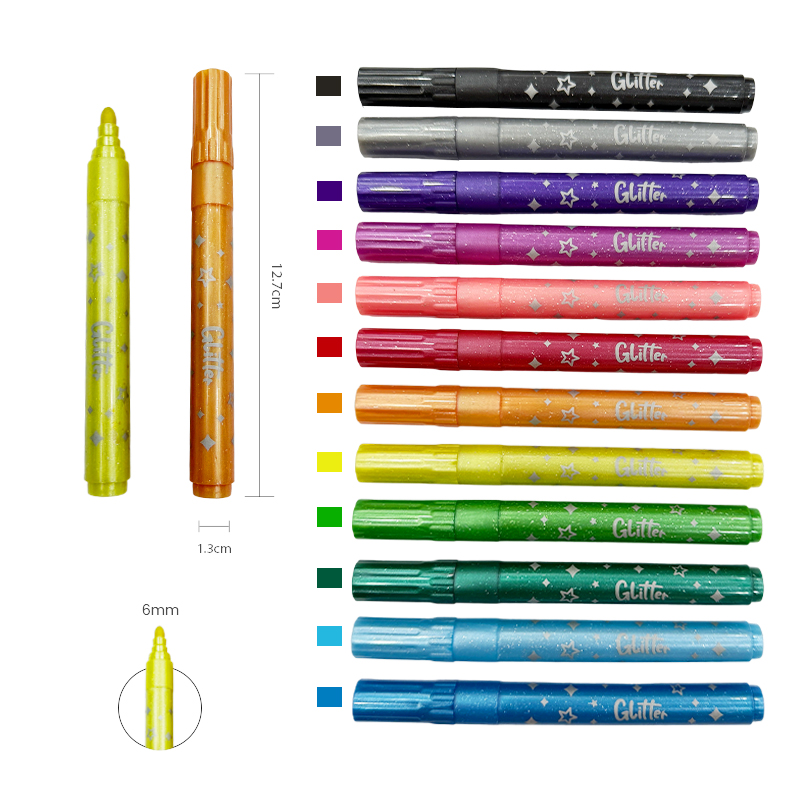
Product Overview The Vibrant 12-Color Single-Tip Highlighter Pen set includes 12 single-tip shimmering colored pens filled with water-based glitter in...
View More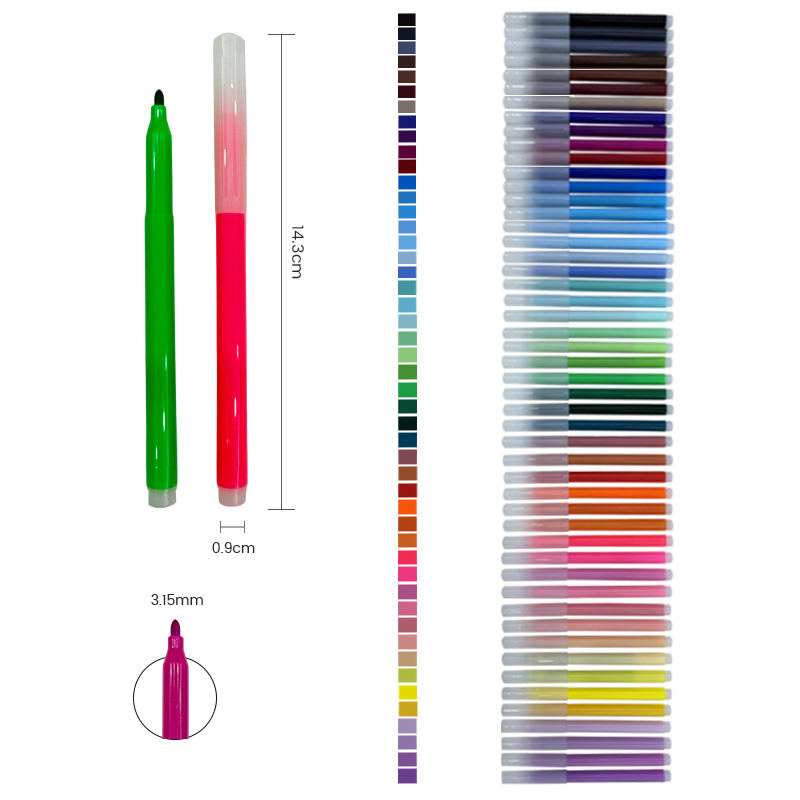
812-50 Smooth-Flowing 50-Color Watercolor Marker is suitable for Art enthusiasts and students. 1. Core Advantages (3-in-1 Value Proposition) Smooth In...
View More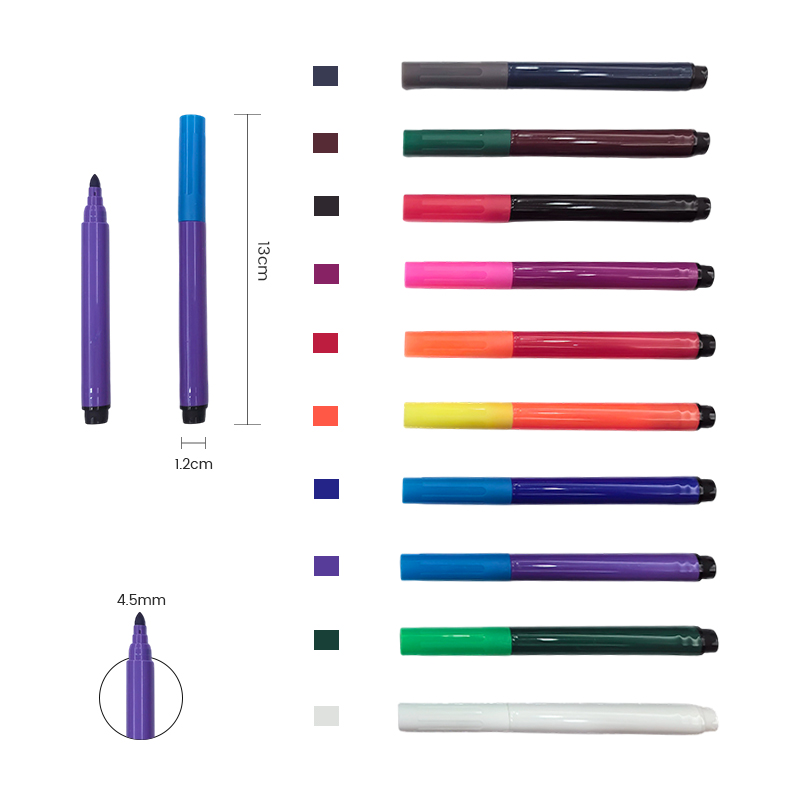
Designed to spark children's creativity and curiosity, these 801M-10 Two-Tone Barrel Magic Markers for School feature a unique characteristic: the ink...
View More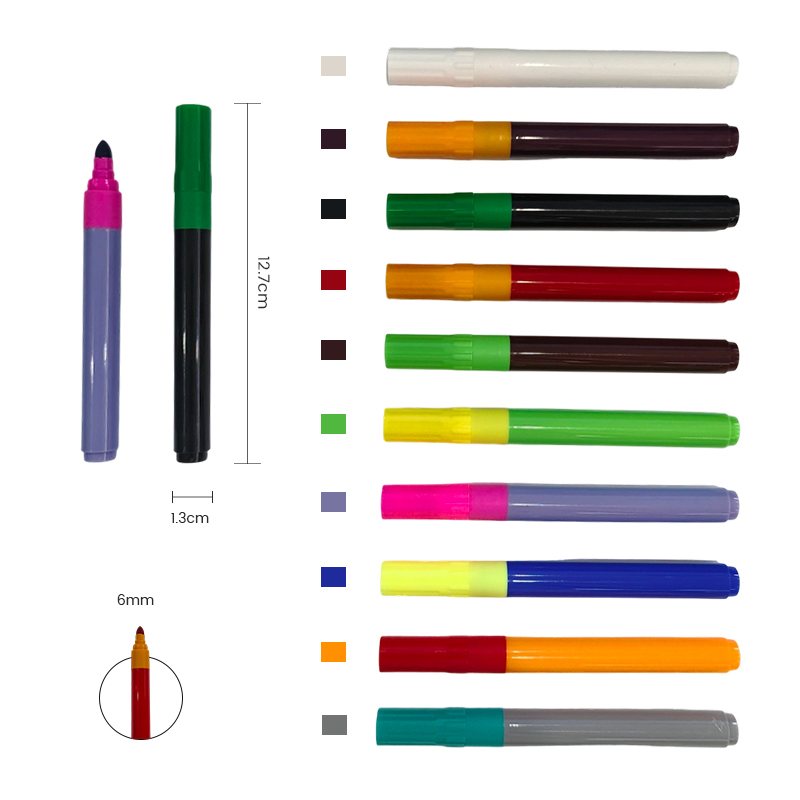
806M-10 Color Changing Magic Markers are a set of fun drawing tools designed for children, students, and creative enthusiasts, combining three core fe...
View More
TEL & Whatsapp: +86-15773630590
TEL :
+86-13676769913
+86-19519895579

E-mail :
[email protected]
[email protected]
[email protected]
[email protected]