

 English
 English
 русский
 Español
Various Colors Metallic Colors Metallic Marker Pen
The Various Colors Metallic Colors Metallic Marker Pen set is designed...
Read More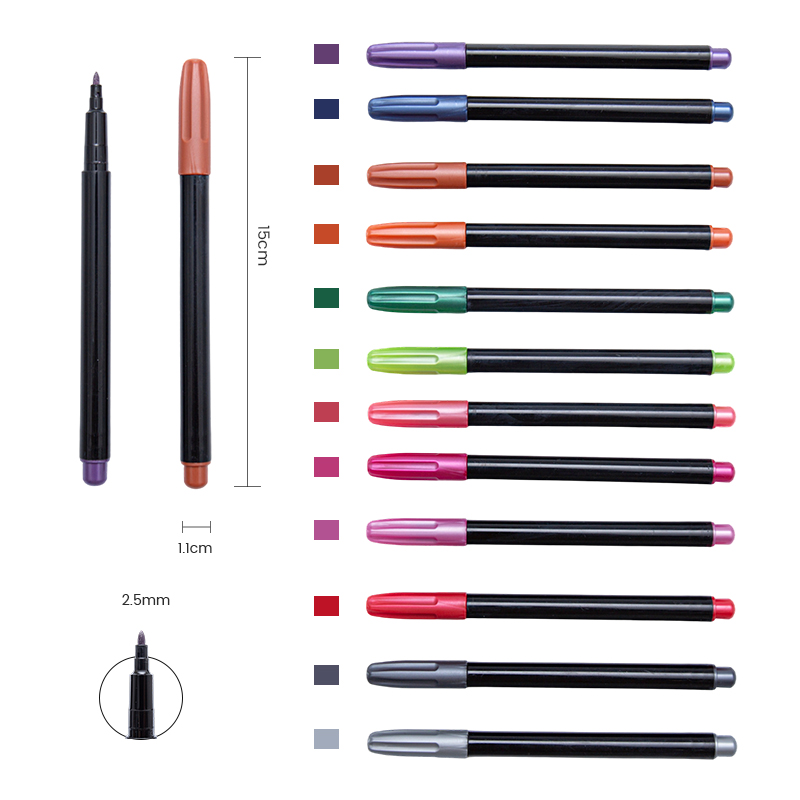
The Various Colors Metallic Colors Metallic Marker Pen set is designed...
Read More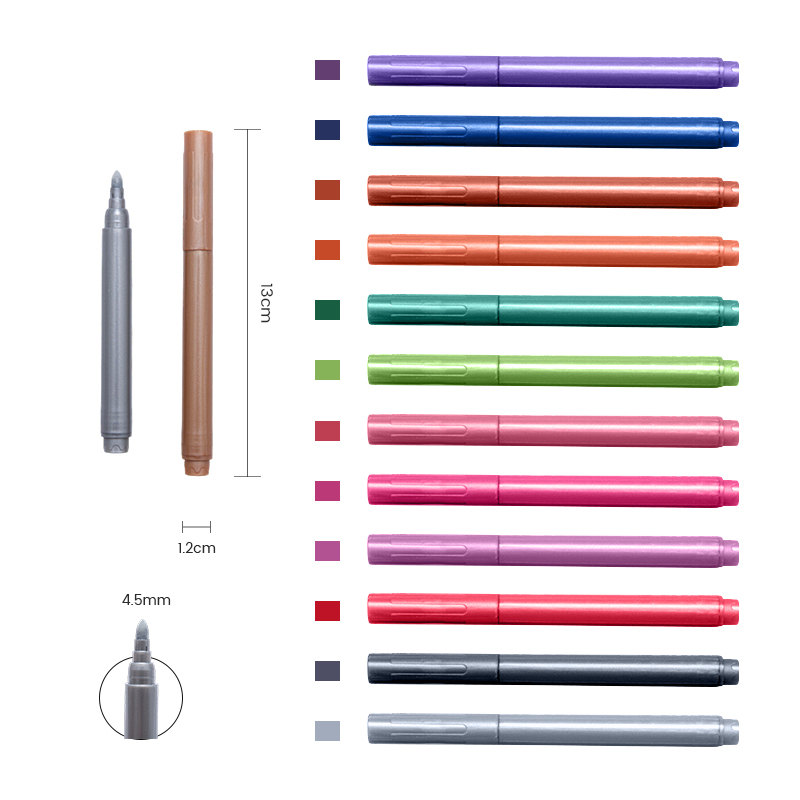
The Glitter Drawing Multiple Colors Metallic Marker Pen is designed to...
Read More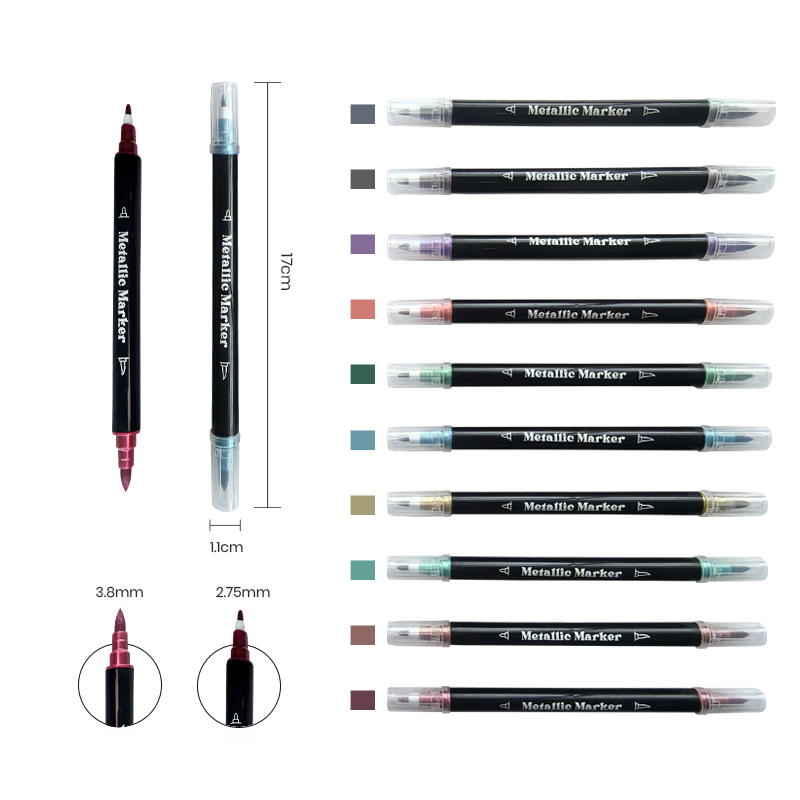
The 518 Metal Pen is a refined and versatile writing instrument design...
Read More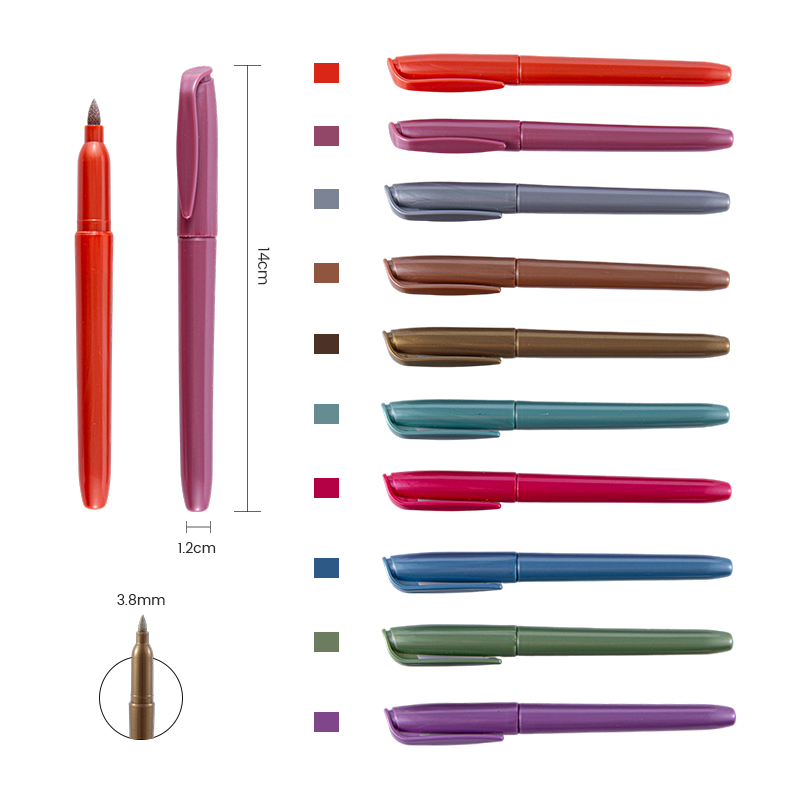
The Brush Head Metallic Marker Pen is designed to deliver smooth, prec...
Read More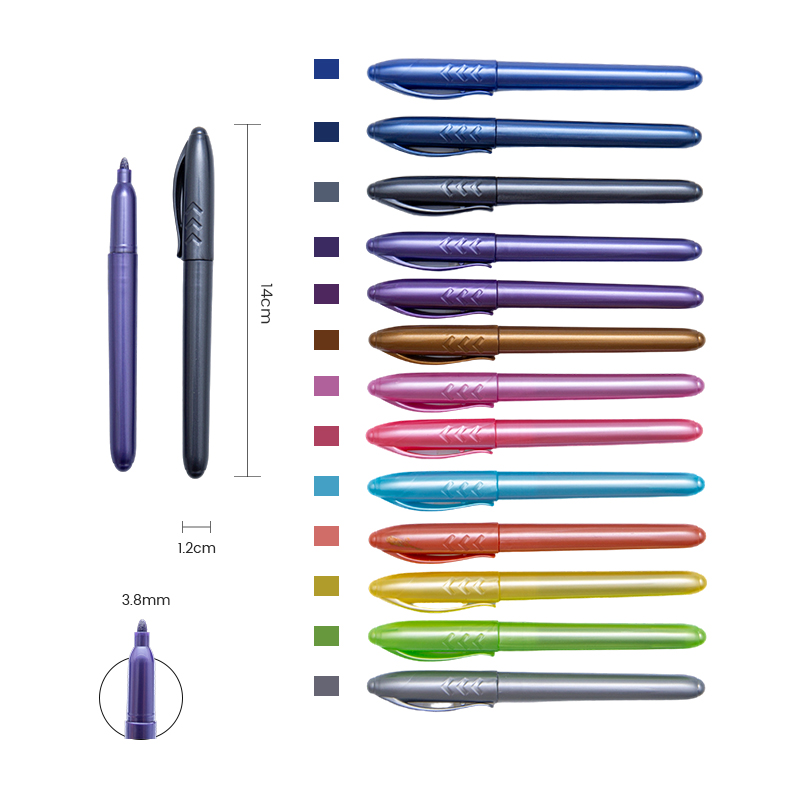
The Metallic Luster Smooth Stable Metallic Marker Pen is designed to b...
Read MoreUnleash your artistic potential with the Metallic Marker Pen, a versatile tool designed to add a vibrant metallic sheen to your creative projects. Whether you're a professional artist, a DIY enthusiast, or simply looking for a way to make your writing stand out, this Metallic Marker Pen offers a smooth and consistent flow of ink that enhances any surface with a shimmering effect.
Special Ink Quality for a Brilliant Finish
The Metallic Marker Pen is crafted with high-quality, water-based ink that delivers a rich metallic finish on various surfaces. The ink dries quickly, reducing smudging and allowing for crisp, defined lines. Additionally, the ink is fade-resistant, ensuring your artwork or writing remains bright and eye-catching over time. Whether you use it on paper, wood, glass, plastic, or fabric, the Metallic Marker Pen provides a bold and lasting impression.
Smooth Application on Multiple Surfaces
One of the key features of the Metallic Marker Pen is its ability to write smoothly on a wide range of surfaces. From greeting cards and scrapbooks to ceramic and stone, this marker adapts easily, providing a uniform metallic effect. The ink is opaque, making it highly visible even on dark or colored backgrounds. Whether you're designing handmade decorations, labeling jars, or adding a personal touch to gifts, this Metallic Marker Pen ensures your creations shine.
Durable and Comfortable Design
Designed with both durability and comfort in mind, the Metallic Marker Pen features a sturdy barrel that provides a comfortable grip for extended use. The ergonomic design reduces hand fatigue, making it suitable for long hours of creative work. Additionally, the marker's fine tip allows for precision and control, making it ideal for intricate detailing, calligraphy, and hand lettering.
Vibrant Color Selection for Stunning Effects
Available in a range of stunning metallic shades, the Metallic Marker Pen offers colors that enhance creativity. From classic gold and silver to bold copper and deep blue, these markers provide a variety of options to suit different projects. The vibrant hues remain vivid even after drying, ensuring that your designs retain their brilliance.
Easy to Use and Mess-Free
The Metallic Marker Pen is designed for ease of use, making it suitable for both beginners and professionals. The ink flows smoothly without the need for excessive shaking or pressing, reducing interruptions during creative sessions. Additionally, the marker’s cap is designed to prevent drying out, ensuring long-lasting usability. Unlike traditional metallic paints, this marker provides a clean and hassle-free way to achieve a striking metallic look without spills or brush cleanup.
Ideal for Various Applications
complete for crafting, decorating, and professional artwork, the Metallic Marker Pen is a versatile tool that suits different needs. Use it for card making, personalized gift wrapping, rock painting, or customizing accessories. Teachers, students, and designers can also utilize this marker for educational projects, presentations, or artistic displays. No matter the occasion, this Metallic Marker Pen adds an extra dimension of elegance and creativity to any project.
Safe and Non-Toxic for All Ages
Safety is a top priority, and the Metallic Marker Pen is made with non-toxic, odor-free ink that is safe for users of all ages. Parents can confidently allow children to explore their creativity, knowing that the markers comply with safety standards. Whether used for school projects or family craft activities, these markers provide a worry-free experience.
The Metallic Marker Pen is an essential tool for anyone looking to bring their ideas to life with a unique metallic finish. With its high-quality ink, smooth application, vibrant color options, and user-friendly design, this marker is complete for artists, students, and DIY enthusiasts alike.
Zhejiang Meibao Stationery Co., Ltd. is Wholesale Metallic Marker Pen Manufacturer and China Metallic Marker Pen Factory, and has over 20 years of experience in the Stationery field mainly engaged in producing and selling Watercolor pens, fine liners, Highlighter, and Markers, It insists on a "quality first, reputation first" business purpose, and hold the tireless hard work of faith to make our production technology and product quality reached a new level. The factory has passed the BSCl WCA audit and the products are in conformity with European CE, EN71-1/2/3/9/11, BS7272, REACH, PAHs, MSDS, and American LHAMA, ASTM-D4236 safe standard testing requirements and are sold in America, Europe, the Middle East, and Southeast Asia Highly praised by customers.

In recent years, everyday writing tools have evolved beyond simple functionality and are now becoming creative instrumen...
Creative writing tools are experiencing a resurgence as more people rediscover the joy of artistic expression through si...
Personal journaling has evolved far beyond simple diary writing. Today, it has become a creative lifestyle activity embr...
Creative expression has always evolved alongside new tools and materials. Recently, social platforms have seen a renewed...
Metallic marker pens bring this touch of brilliance to the everyday, transforming ordinary surfaces into eye-catching spectacles. From elevating art projects and customizing personal items to adding professional flair to presentations and signage, these tools offer a unique combination of visual impact and practical application. However, navigating the variety of options available can be as nuanced as the sheen they produce. Understanding what defines these pens, how to select the right one, and the specific role of fine-point variants is key to unlocking their full potential.
Selecting the ideal metallic marker extends beyond simply picking a favorite color. A considered approach, focused on the project’s specific demands, ensures performance and satisfaction. The decision can be effectively guided by three key considerations.
Assessing the Project Surface
Porous surfaces like paper, cardboard, and untreated wood readily absorb ink and are compatible with water-based metallic markers. For non-porous surfaces such as glass, plastic, metal, ceramic, or glossy photo paper, you will likely require an oil-based or pigment-based marker specifically formulated for adhesion. These pens often describe themselves as "permanent" or "multi-surface." Using the wrong type can result in ink that smudges, beads up, or fails to dry completely.
Evaluating Ink Properties and Dry Time
Once surface compatibility is established, consider the ink’s behavior and durability. Water-based inks tend to dry quickly and offer a bright, reflective finish, but they may not be fully waterproof and can reactivate if wet. Alcohol-based or pigment-based inks provide greater permanence, water resistance, and opacity, often necessary for outdoor items or frequently handled objects. It is also prudent to check the stated drying time; some richer metallic inks require longer to set fully to avoid accidental smearing.
Considering Tip Style and Color Range
The tip design dictates the line character. Broad chisel tips are for filling large areas, creating bold headlines, or adding broad accents. Fine bullet or brush tips are designed for detail work, writing, and intricate illustration. Many projects benefit from having both on hand. Furthermore, explore the available color palette. Beyond classic gold and silver, modern ranges include copper, rose gold, bronze, and a spectrum of colored metallics, allowing for sophisticated color coordination and artistic effects.
Their defining characteristics include:
Specific Handling Considerations: Due to their pigment content, some metallic pens may require shaking before use to suspend the particles evenly. They can also be prone to clogging if not stored properly, making recapping immediately after use essential.
Fine point markers excel at tasks requiring control and detail. They are ideal for writing on dark-colored cards or envelopes, adding intricate patterns or outlines to artwork, annotating in planners or on glossy photos, doing technical illustrations that require metallic highlights, and adding fine decorative lines to crafts like ceramics or ornaments. While a broad tip covers area, the fine tip provides the definition and precision.
This is one of their strongest applications. The opaque, reflective quality of metallic ink allows it to show up vibrantly on dark backgrounds where standard ink would be invisible. However, opacity can vary by brand. For the vivid results on black or navy paper, it is advisable to seek out markers specifically advertised as "opaque" or "high coverage," and to apply the ink with steady, even pressure.
Clogging is a common issue due to the suspension of metallic particles. To minimize this, always store the pen horizontally in a cool, dry place. Shake the pen gently before use to redistribute the pigments. importantly, always replace the cap securely and immediately after use, as even short exposure to air can cause the ink in the delicate tip to dry and harden. If skipping occurs, try drawing several continuous circles on a scrap surface to restart the ink flow.
Copyright ©
Zhejiang Meibao Stationery Co., Ltd. All Rights
Reserved.

Fine Point Metallic Markers Company

TEL & Whatsapp: +86-15773630590
TEL :
+86-13676769913
+86-17385445716(claire)

E-mail :
[email protected]
[email protected]
[email protected]

