

 English
 English
 русский
 Español
Small High Gloss Highlighter Pen For Office School
The Small High Gloss Highlighter Pen for Office and School is designed...
Read More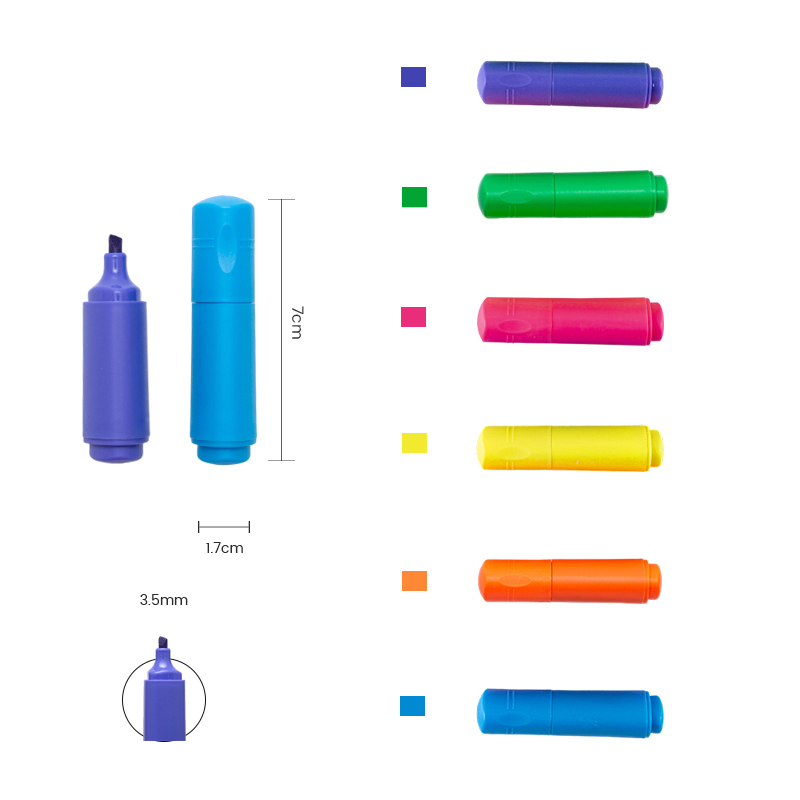
The Small High Gloss Highlighter Pen for Office and School is designed...
Read More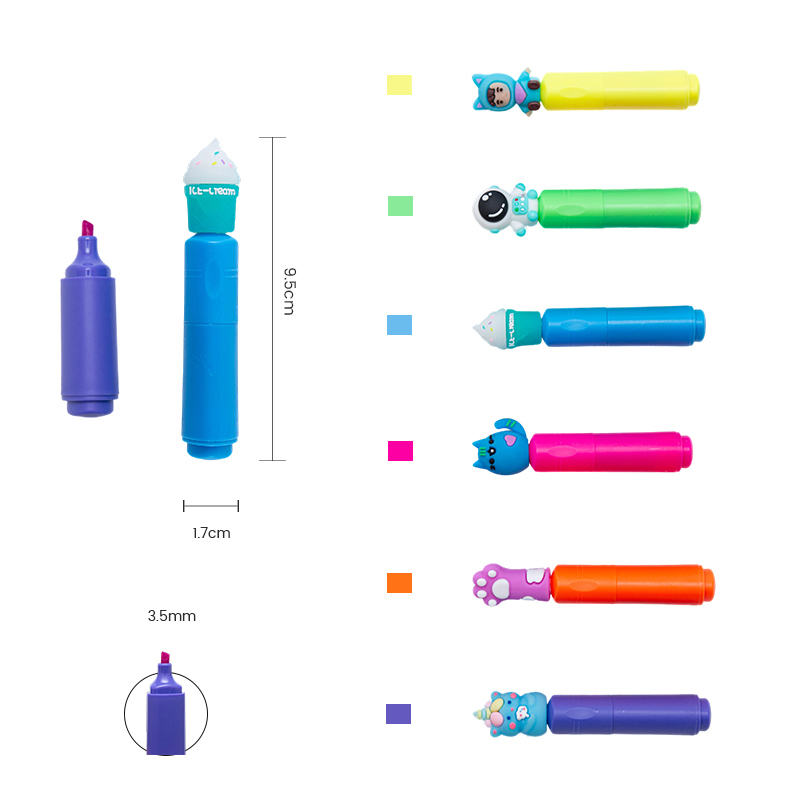
The Cartoon Decoration Highlighter Pen stands out with its playful and...
Read More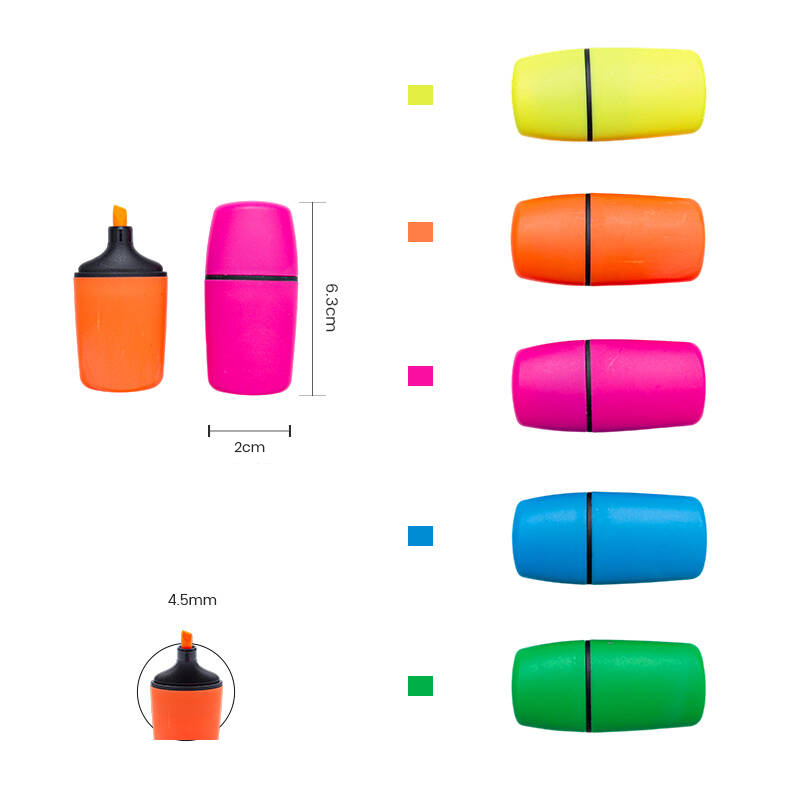
The Short Compact Highlighter Pen is designed with portability in mind...
Read More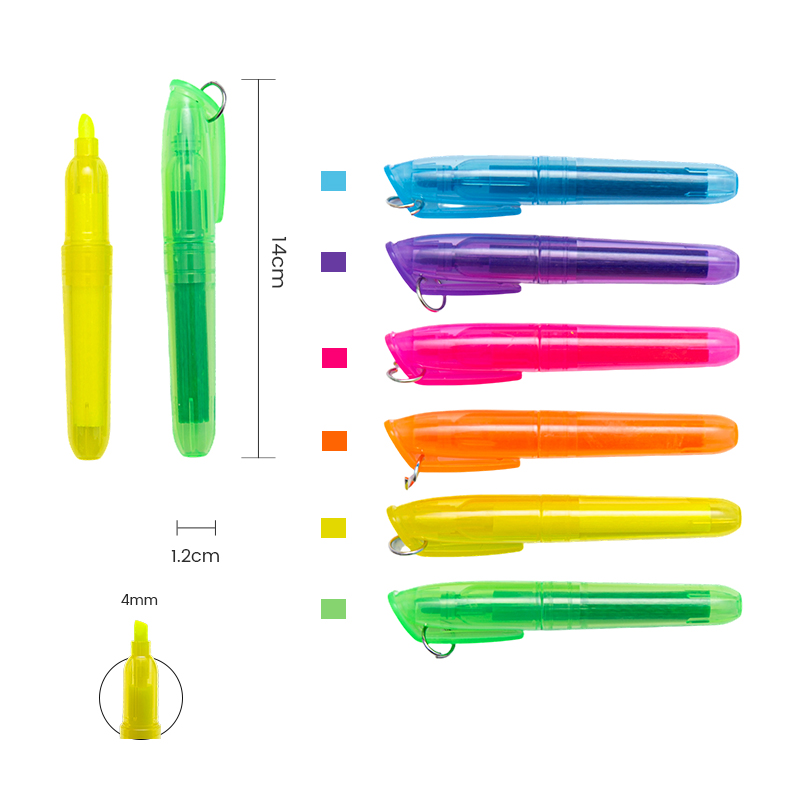
The Clear Plastic Highlighter Pen With Keychain Clip offers a convenie...
Read More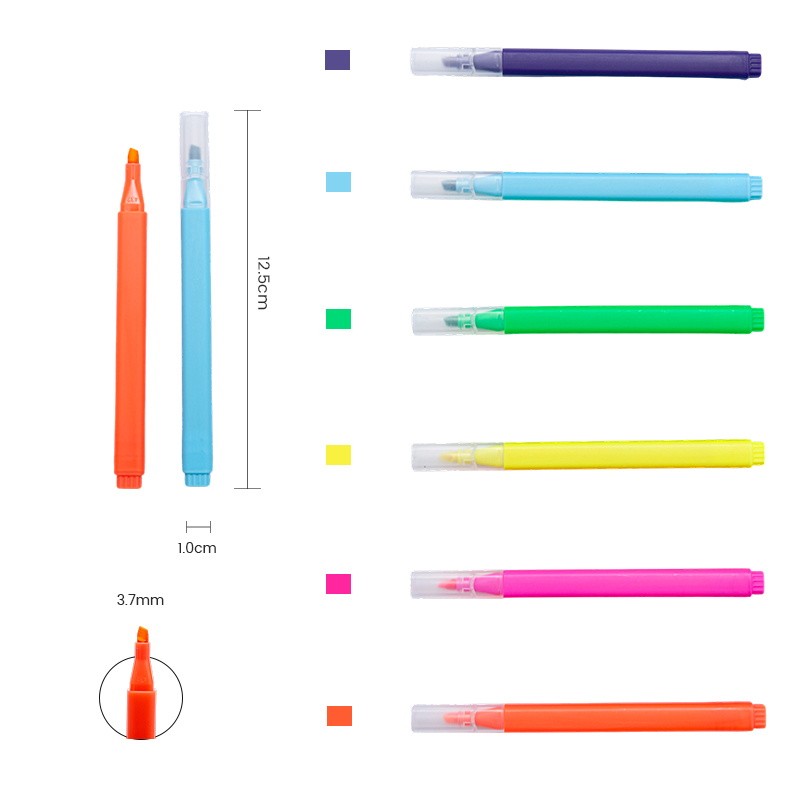
The Fiber Tip Multiple Colors Highlighter Pen is designed to deliver a...
Read More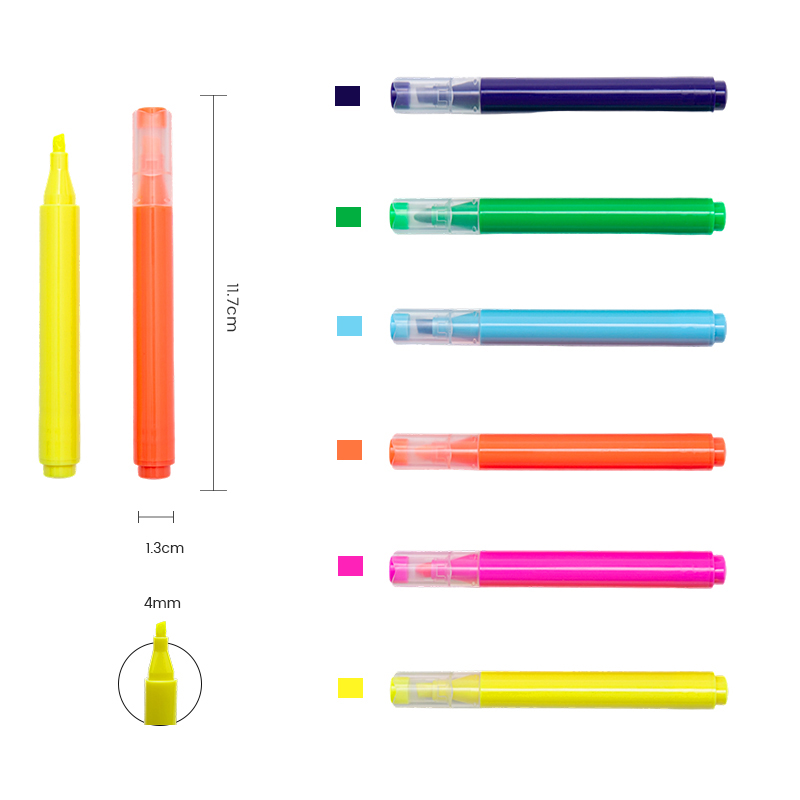
Taking notes, organizing key points, and emphasizing crucial details r...
Read More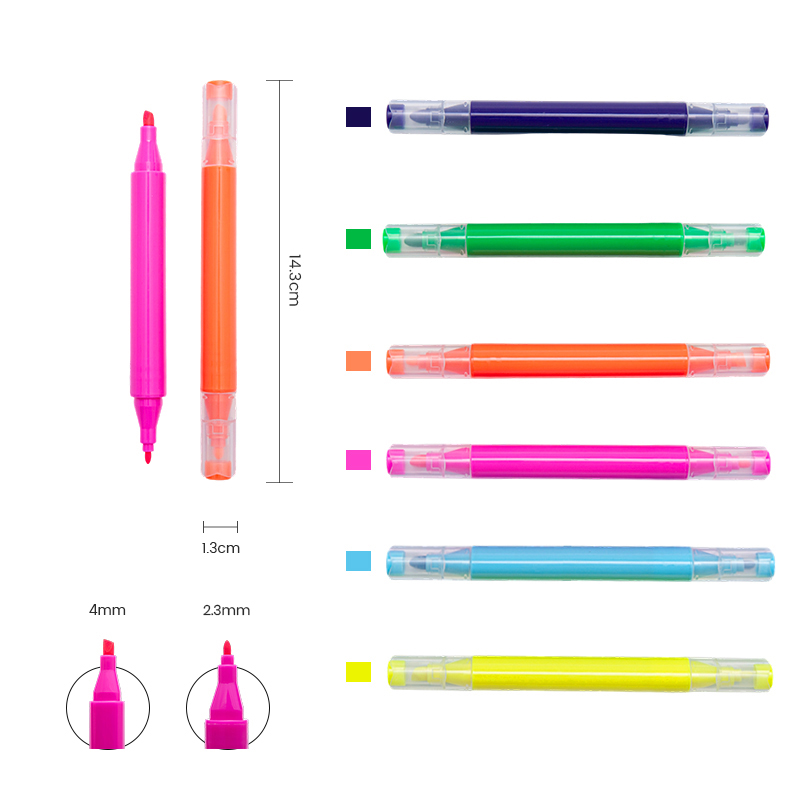
The Transparent Cover Blade Head Highlighter Pen is designed with a cl...
Read More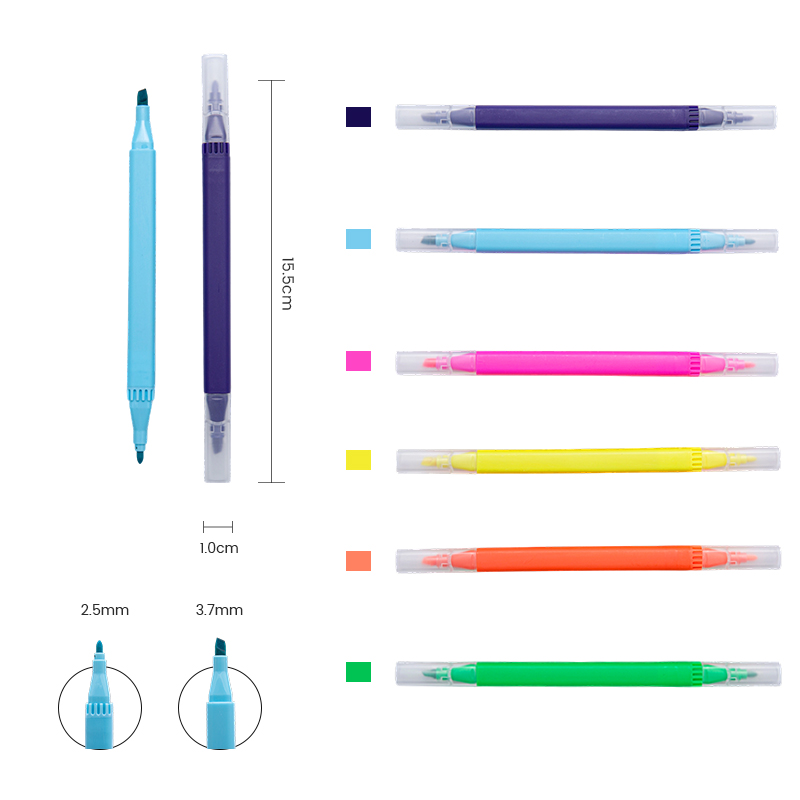
The Simple Double-Ended Blade Highlighter Pen is designed to provide a...
Read More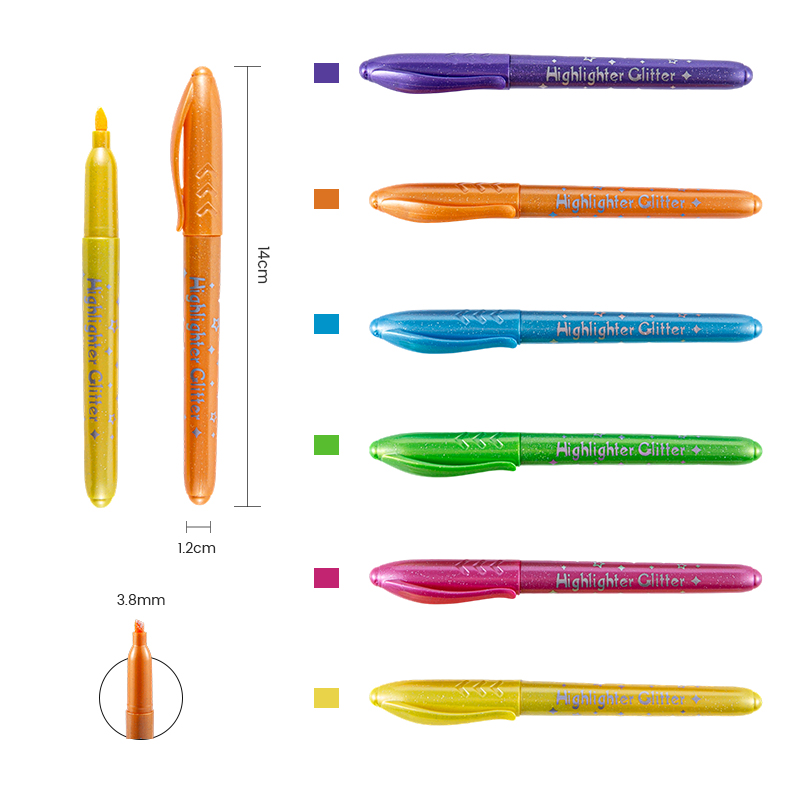
Colorful Portable Simple Highlighter Pen. Whether you're a student, a ...
Read MoreA highlighter pen is an essential tool for students, professionals, and anyone who needs to emphasize key information. Designed to make text stand out, a highlighter pen offers smooth application, quick-drying ink, and vibrant colors that enhance readability. Whether used for studying, office work, or creative projects, a highlighter pen ensures efficiency and organization.
Smooth and Consistent Ink Flow
A highlighter pen provides consistent ink flow, ensuring smooth application without streaks or smudges. The specially formulated ink glides effortlessly over the paper, preventing interruptions while marking important details. This feature is particularly useful for individuals who frequently review textbooks, reports, or documents, as it allows for quick identification of key points.
Quick-Drying and Smudge-Free Performance
One of the biggest advantages of a highlighter pen is its quick-drying ink, which slightly reduces smudging. This is especially beneficial for left-handed users who may struggle with ink transferring onto their hands. The highlighter pen’s ability to dry quickly ensures that notes remain clean and legible, reducing the risk of blurred text.
Vibrant and Eye-Catching Colors
A highlighter pen comes in a variety of colors, allowing users to categorize and organize information effectively. Bright shades such as yellow, pink, green, and blue enhance visibility, making it easy to locate highlighted sections at a glance. Whether color-coding study materials or emphasizing different sections in a report, a highlighter pen provides a practical solution for better retention and understanding.
Ergonomic Design for Comfortable Use
Comfort is a key aspect of a well-designed highlighter pen. Many models feature an ergonomic grip that ensures comfortable handling, even during extended use. This design reduces hand fatigue, making it easier to highlight large sections of text without discomfort. The lightweight structure of a highlighter pen also adds to its ease of use, making it a convenient choice for daily tasks.
Chisel Tip for Versatile Highlighting
A highlighter pen is equipped with a chisel tip that offers dual functionality. The broad edge allows for highlighting large text areas, while the fine tip enables precise underlining. This flexibility makes a highlighter pen ideal for various tasks, from marking entire paragraphs to underlining critical points in a document. The durability of the chisel tip ensures consistent performance over time.
Long-lasting and Reliable Performance
A highlighter pen is built for long-term use, offering high ink capacity that lasts through numerous applications. This durability reduces the need for frequent replacements, making it a cost-effective option. A highlighter pen with fade-resistant ink ensures that markings remain clear over time, which is particularly valuable for reference materials and archival documents.
Ideal for Various Applications
From academic studies to professional tasks, a highlighter pen serves multiple purposes. It is widely used for exam preparation, note-taking, document reviewing, and even creative journaling. A highlighter pen is also a favorite tool for planners and organizers, helping users manage schedules and to-do lists efficiently.
A highlighter pen is an indispensable tool for anyone who values organization, efficiency, and clarity. With its smooth ink flow, quick-drying properties, vibrant colors, and ergonomic design, a highlighter pen enhances productivity in various settings. Whether for studying, work, or creative endeavors, a highlighter pen is a reliable companion for marking important information with precision and ease.
Zhejiang Meibao Stationery Co., Ltd. is Wholesale Highlighter Pen Manufacturer and China Highlighter Pen Factory, and has over 20 years of experience in the Stationery field mainly engaged in producing and selling Watercolor pens, fine liners, Highlighter, and Markers, It insists on a "quality first, reputation first" business purpose, and hold the tireless hard work of faith to make our production technology and product quality reached a new level. The factory has passed the BSCl WCA audit and the products are in conformity with European CE, EN71-1/2/3/9/11, BS7272, REACH, PAHs, MSDS, and American LHAMA, ASTM-D4236 safe standard testing requirements and are sold in America, Europe, the Middle East, and Southeast Asia Highly praised by customers.

In recent years, everyday writing tools have evolved beyond simple functionality and are now becoming creative instrumen...
Creative writing tools are experiencing a resurgence as more people rediscover the joy of artistic expression through si...
Personal journaling has evolved far beyond simple diary writing. Today, it has become a creative lifestyle activity embr...
Creative expression has always evolved alongside new tools and materials. Recently, social platforms have seen a renewed...
The simple act of highlighting text, a practice integral to students, researchers, and professionals alike, has been transformed by a growing array of specialized instruments. Today's highlighter pens offer a variety of options that extend far beyond the standard fluorescent yellow chisel tip, catering to diverse needs for precision, aesthetics, and archival quality. This evolution reflects a broader understanding of how visual organization aids cognitive function, with tool design innovating to meet nuanced user demands.
The contemporary market for highlighter pens offers users several key options, distinguished by ink formulation, tip design, and functional purpose. Ink type defines the visual and practical effect. Traditional fluorescent inks provide bold, bright colors that command attention on the page. In contrast, pastel or mild highlighters offer softer, less visually aggressive tones, reducing eye strain and preventing underlying text from being obscured. For archival or important document use, dry highlighters, which apply a waxy, transparent film, and acid-free, non-bleed inks are significant options, as they prevent damage to paper and do not smear printer toner.
Tip design is another primary area of choice. The classic chisel tip remains popular for its ability to create both broad and fine lines. For greater precision, fine tips and bullet tips allow for highlighting individual words or lines in narrow text margins. Furthermore, specialized tip shapes, such as angled chisels or dual-ended designs, increase versatility. Finally, functional variations include retractable bodies that eliminate caps, slim barrel designs for comfort during extended use, and even highlighters with integrated notes sections or ruler markings on the barrel. The selection available ensures that whether the priority is vibrant emphasis, subtle annotation, document preservation, or precise application, there is a tool configured for the task.
Double-ended pens represent a concentrated effort in multi-functionality and space efficiency. Key design innovations in this category include:
The rise of the retractable highlighter pen underscores a market shift prioritizing convenience and efficiency in everyday tools. Their popularity is largely attributable to the elimination of the traditional cap. This single design change addresses several common pain points: the risk of losing the cap, the time spent removing and replacing it, and the potential for the tip to dry out if left uncapped. In fast-paced environments like lectures, meetings, or study sessions, the ability to deploy and retract the tip with one hand via a click mechanism allows for seamless, uninterrupted workflow.
The retractable mechanism enhances the tool's durability and portability. The protected tip is less likely to be damaged when carried in a crowded pencil case or bag, and there is no risk of the cap coming loose and causing ink to stain other items. This makes them a reliably clean and robust option. The design also lends itself to more professional and minimalist aesthetics, often featuring a sleek barrel that aligns with the look of retractable ballpoint pens, making them suitable for office settings.
The convenience of the retractable highlighter is a response to the modern demand for tools that are instantly ready, reduce friction in simple tasks, and integrate smoothly into dynamic work habits. By solving practical problems of loss, delay, and mess, this innovation has secured a prominent place for itself, demonstrating that even in the realm of simple stationery, thoughtful design focused on user experience can redefine a standard.

Copyright ©
Zhejiang Meibao Stationery Co., Ltd. All Rights
Reserved.

Retractable Highlighter Pen Custom

TEL & Whatsapp: +86-15773630590
TEL :
+86-13676769913
+86-17385445716(claire)

E-mail :
[email protected]
[email protected]
[email protected]


