English
 English
 русский
 Español
Regular Brush Marker Non-toxic
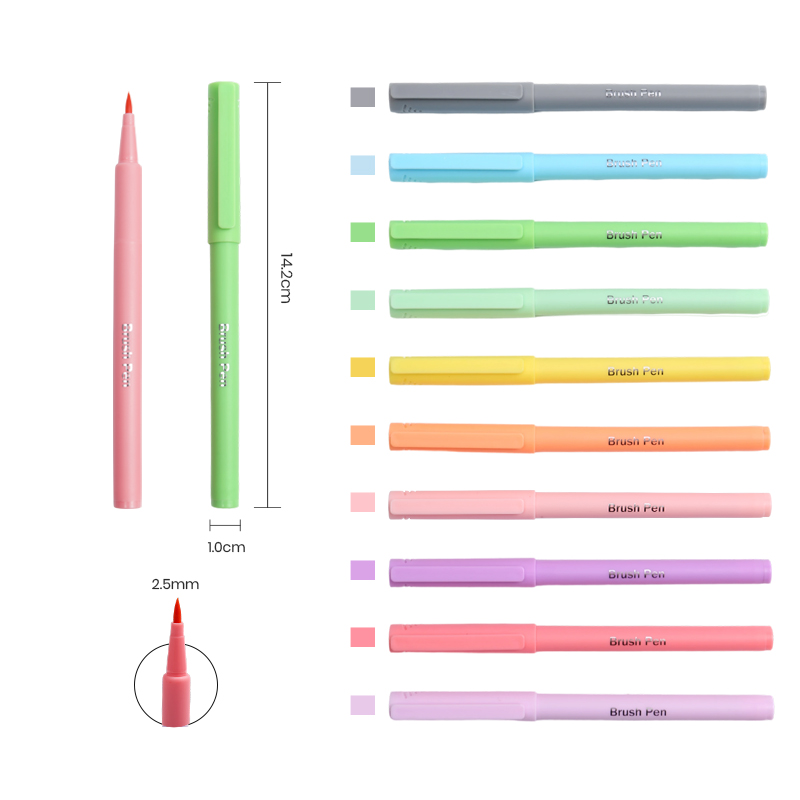
The Flash Patterned Appearance Brush Marker offers a unique combinatio...
Read More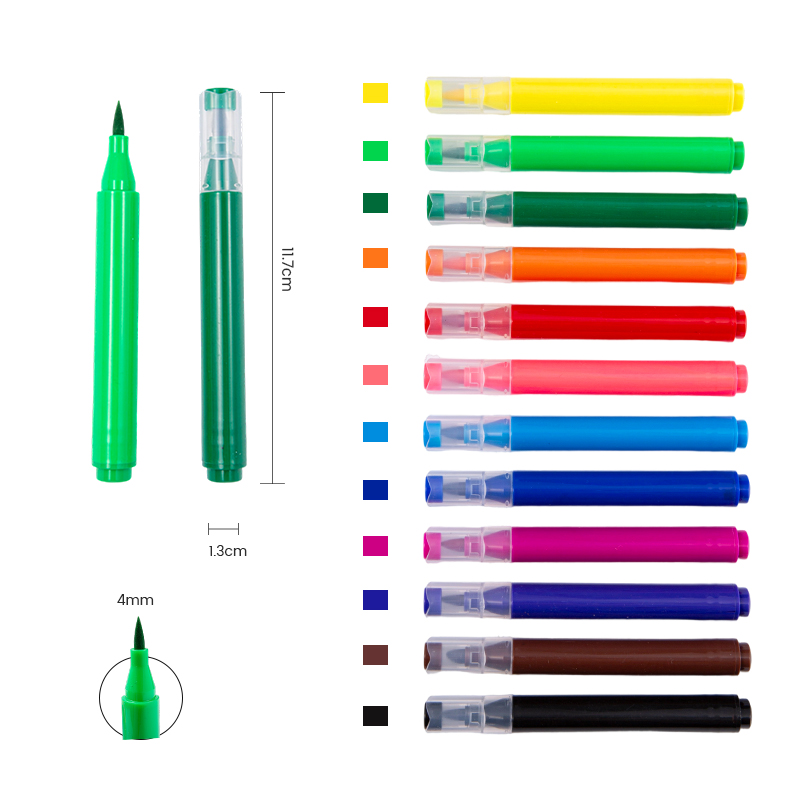
The Flash Patterned Appearance Brush Marker offers a unique combinatio...
Read More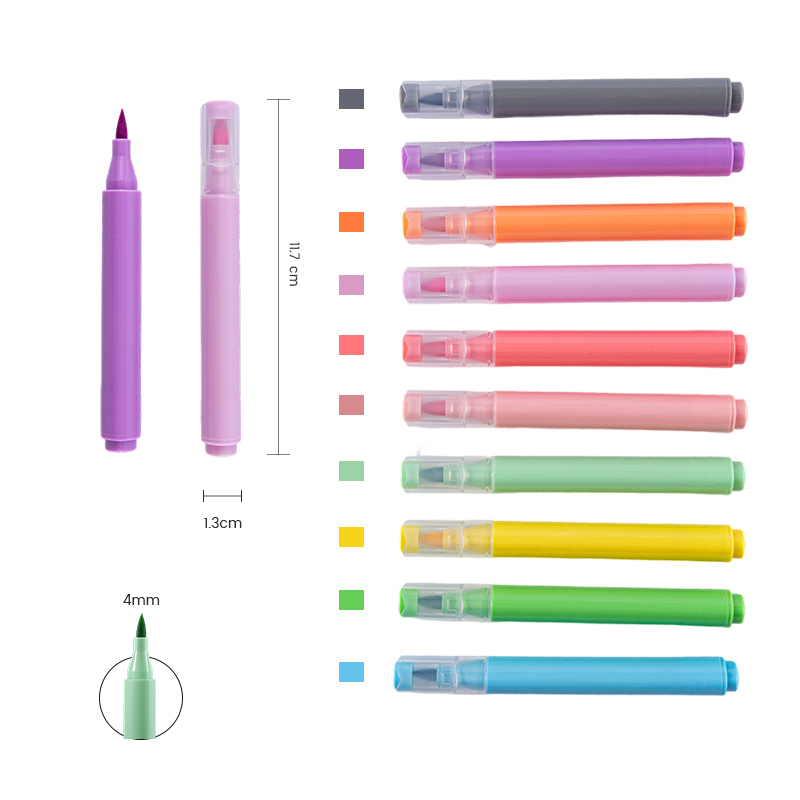
The Thick Refill Brush Marker is designed for artists, crafters, and s...
Read More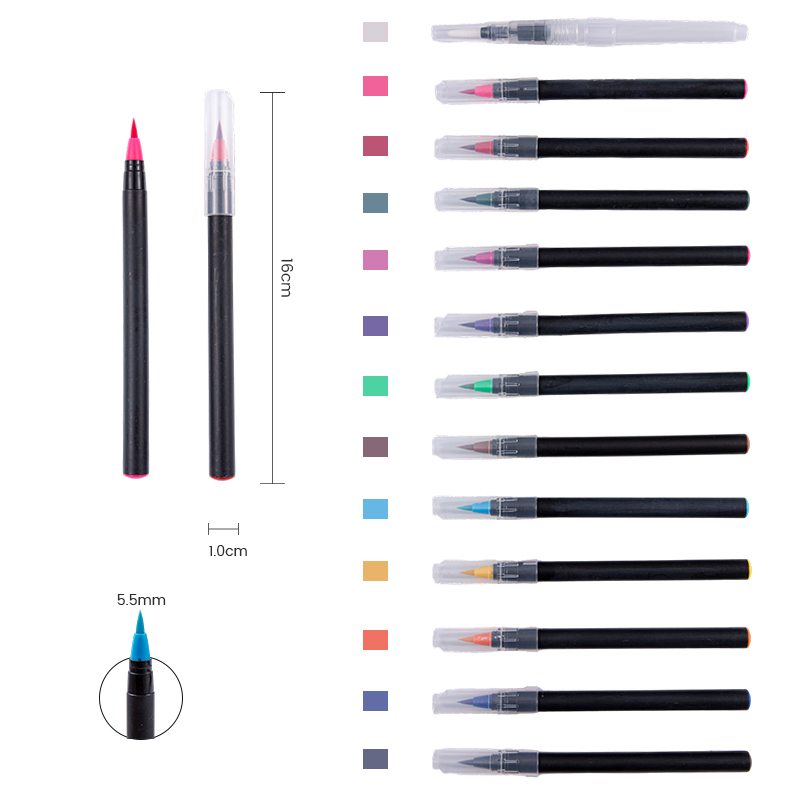
The Calligraphy Soft Nib Color Brush Marker is designed to meet the ne...
Read More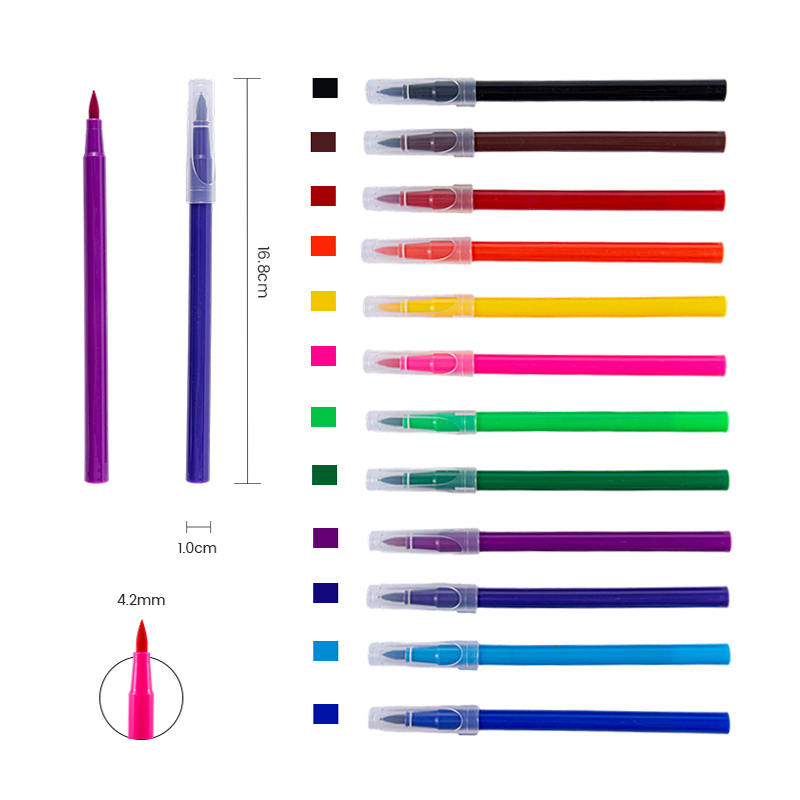
The Washable School Children Drawing Brush Marker is designed for youn...
Read More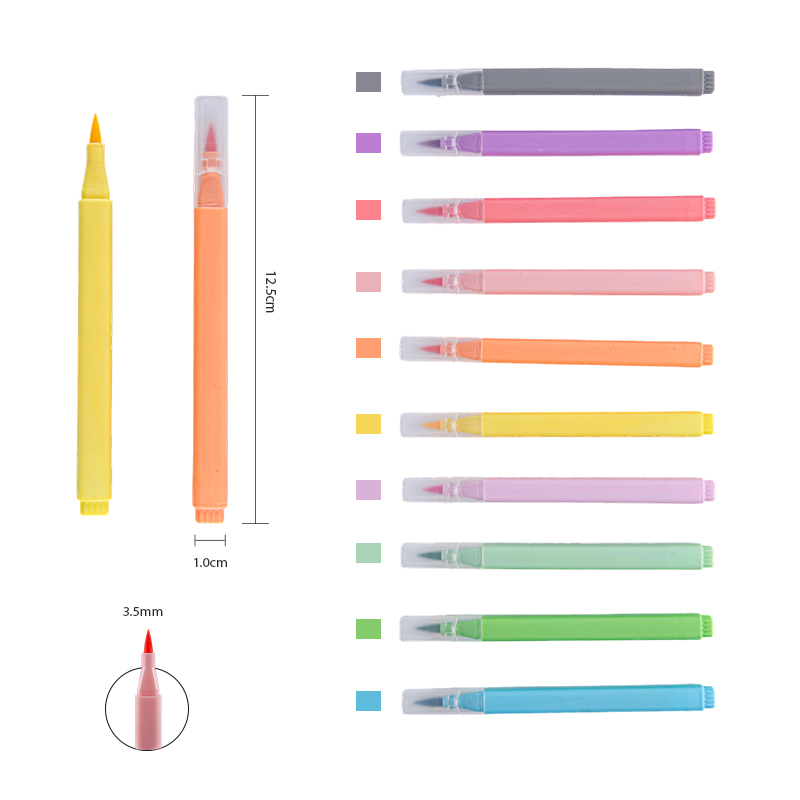
For artists, designers, and hobbyists looking for a high-quality drawi...
Read More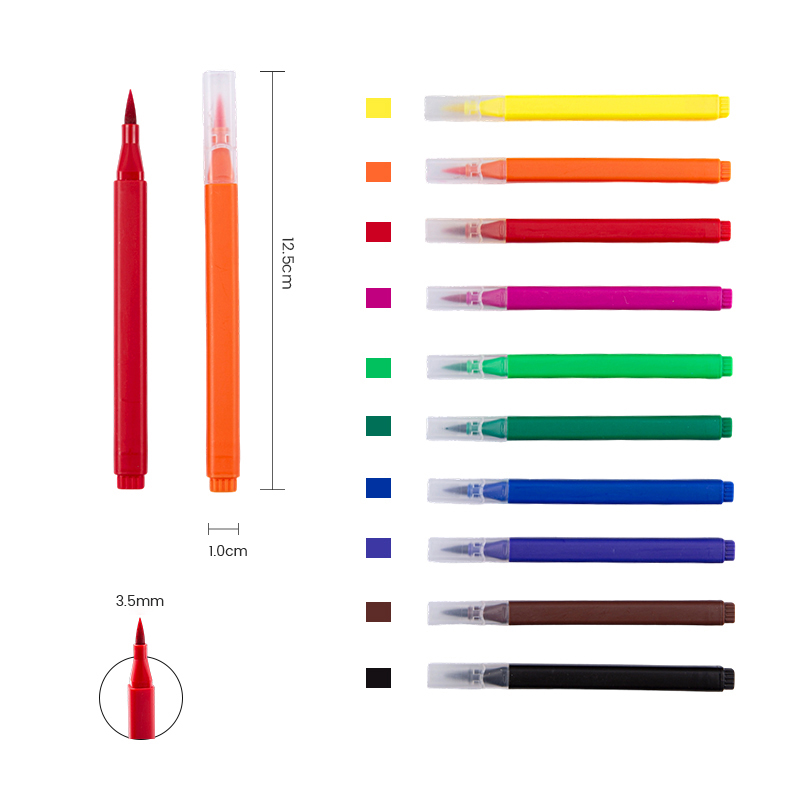
The Square Appearance Regular Color Brush Marker is designed to offer ...
Read More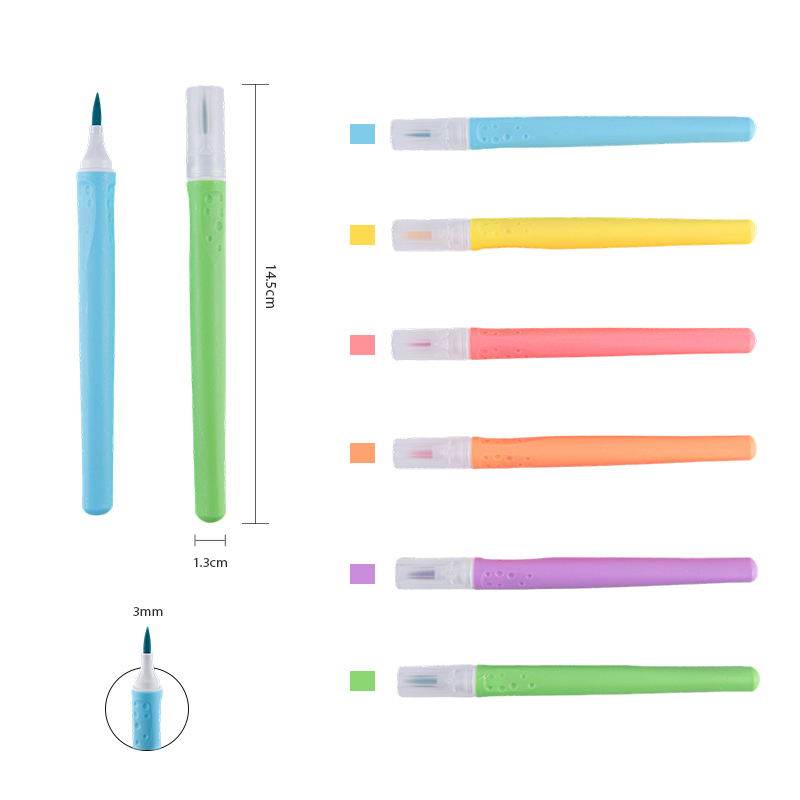
The Comfortable Feel Brush Marker with Transparent Cover is a versatil...
Read More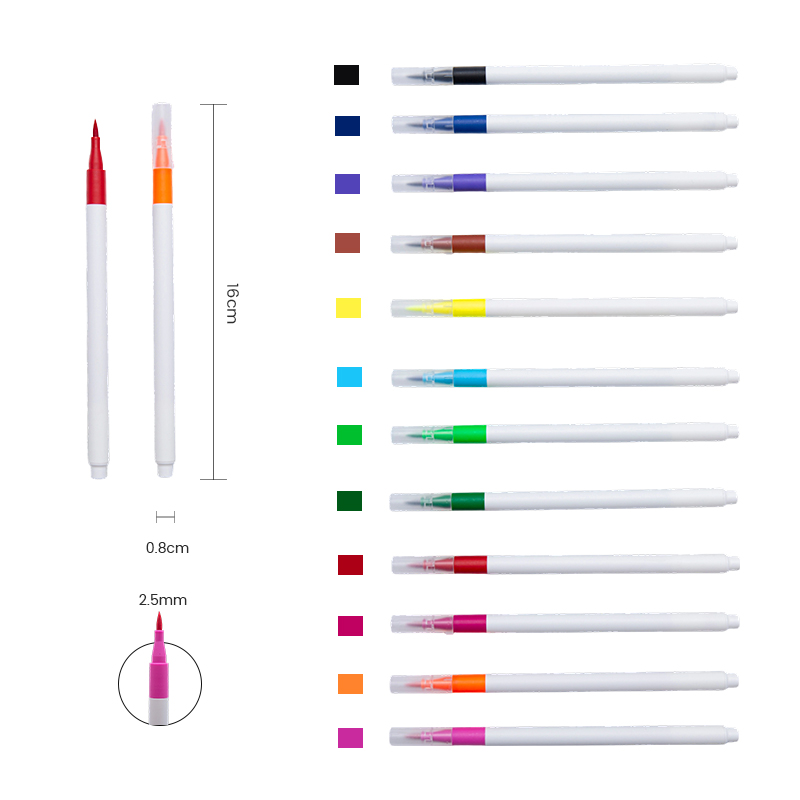
The Pigmented Water-Based Fine Tip Brush Marker is designed for artist...
Read More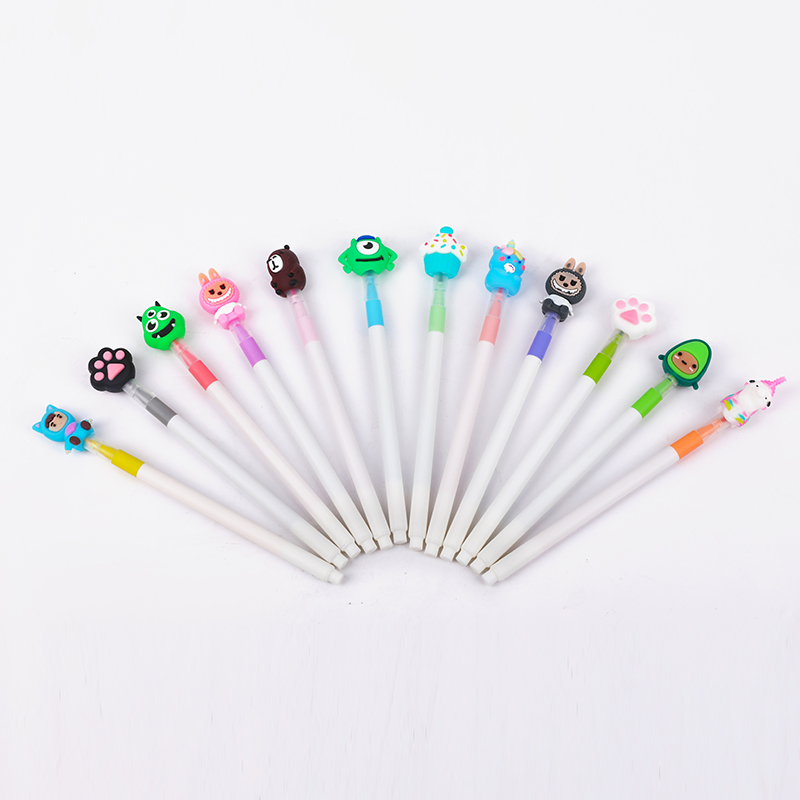
The Silicone Head Brush Marker is designed to bring a unique artistic ...
Read More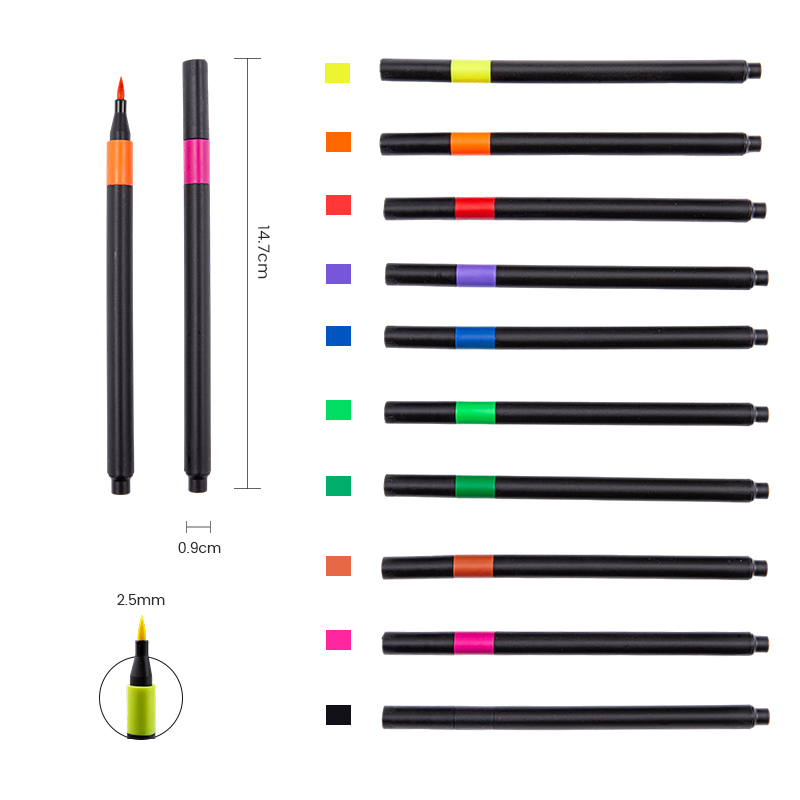
Whether you are an artist, a designer, or a hobbyist, the Thin Line So...
Read More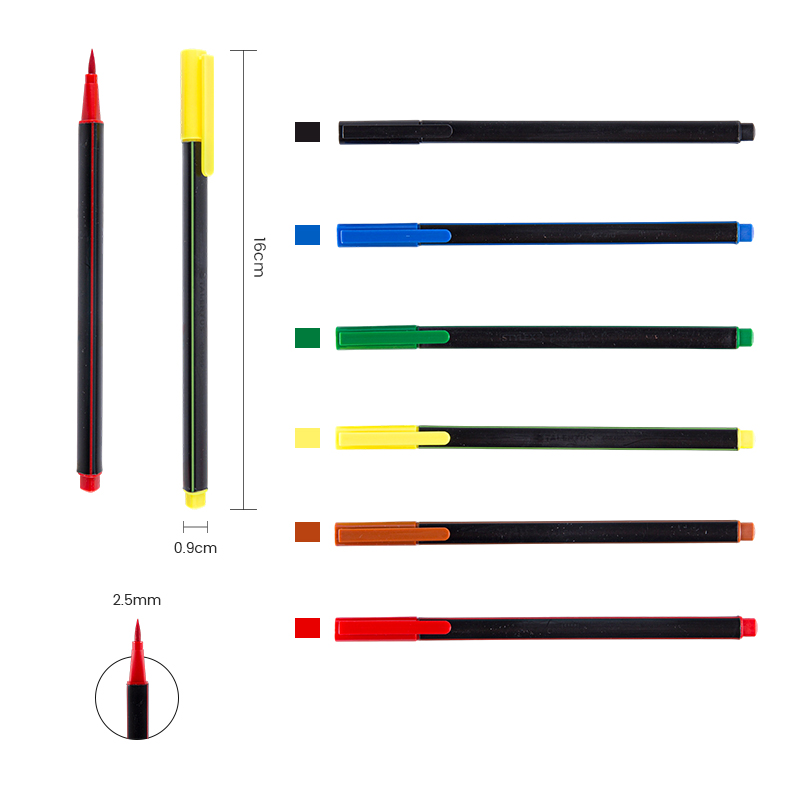
The Brush Simple Smooth Multiple Colors Brush Marker is designed for t...
Read MoreThe Brush Marker is a must-have tool for artists, designers, and hobbyists who seek precision, fluidity, and rich color vibrancy. Designed to meet the needs of both professionals and beginners, this marker offers a special drawing and coloring experience. Whether used for illustration, calligraphy, or mixed-media projects, the Brush Marker ensures smooth ink flow and consistent performance.
High-Quality Brush Tip for Dynamic Strokes
One of the protruding features of the Brush Marker is its flexible brush tip, which allows for a wide range of stroke variations. Whether you need fine lines, medium strokes, or broad sweeps, this marker adapts effortlessly to your hand movements. The elasticity of the brush tip provides good performance control, making it ideal for detailed artwork as well as expressive brushwork. Its responsiveness ensures that transitions between thick and thin strokes are seamless, enhancing the natural flow of your creative work.
Vibrant and Long-Lasting Ink
Equipped with high-quality ink, the Brush Marker delivers intense colors that remain vivid over time. The ink is formulated to be fade-resistant, ensuring that your artwork maintains its brilliance. It dries quickly to prevent smudging, allowing artists to work with confidence. Additionally, the smooth ink distribution provides uniform coverage, reducing streaks or uneven patches in illustrations and designs. This makes the Brush Marker a reliable tool for professional and personal projects alike.
Blendable and Layerable for Creative Depth
The Brush Marker is designed for smooth blending, enabling artists to create gradients and shading with ease. By layering colors, users can achieve depth and dimension in their artwork without harsh lines. The ink’s composition allows for effortless color transitions, making it ideal for techniques such as ombre effects and color mixing. Whether used alone or in combination with other media, the Brush Marker enhances artistic possibilities without compromising control.
Ergonomic and Comfortable Design
Comfort is an essential aspect of any creative tool, and the Brush Marker is designed with this in mind. The ergonomic barrel ensures a secure grip, reducing hand fatigue during long drawing sessions. Its lightweight structure allows for easy handling, making it suitable for extended use. Artists can focus on their creativity without discomfort, to a more enjoyable and productive experience.
Wide Range of Applications
From professional illustrations to casual sketching, the Brush Marker is highly versatile. It is complete for hand lettering, manga art, watercolor-style effects, and intricate detailing. Designers can use it for concept sketches, while students and hobbyists will appreciate its ease of use for journaling and creative exercises. Regardless of skill level, this marker provides special results across various applications.
Safe and Environmentally Friendly
The Brush Marker is made with non-toxic, odor-free ink, ensuring safety for all users, including children and students. Its formulation meets industry standards for eco-friendliness, making it a responsible choice for environmentally conscious artists. The marker’s durable construction also slightly reduced waste, as it is designed to last through multiple creative projects without premature drying.
Whether you are a professional artist, a designer, or someone exploring creative hobbies, the Brush Marker is an essential addition to your toolkit. Its good ink quality, flexible brush tip, and ergonomic design ensure that every stroke is smooth, vibrant, and precise. Elevate your artistic projects with a Brush Marker that combines functionality with creative freedom.
Zhejiang Meibao Stationery Co., Ltd. is Wholesale Brush Marker Manufacturer and China Brush Marker Factory, and has over 20 years of experience in the Stationery field mainly engaged in producing and selling Watercolor pens, fine liners, Highlighter, and Markers, It insists on a "quality first, reputation first" business purpose, and hold the tireless hard work of faith to make our production technology and product quality reached a new level. The factory has passed the BSCl WCA audit and the products are in conformity with European CE, EN71-1/2/3/9/11, BS7272, REACH, PAHs, MSDS, and American LHAMA, ASTM-D4236 safe standard testing requirements and are sold in America, Europe, the Middle East, and Southeast Asia Highly praised by customers.

In recent years, everyday writing tools have evolved beyond simple functionality and are now becoming creative instrumen...
Creative writing tools are experiencing a resurgence as more people rediscover the joy of artistic expression through si...
Personal journaling has evolved far beyond simple diary writing. Today, it has become a creative lifestyle activity embr...
Creative expression has always evolved alongside new tools and materials. Recently, social platforms have seen a renewed...
The performance, appearance, and application of a brush marker are fundamentally dictated by its ink formulation. The primary distinction lies between water-based and alcohol-based inks, each with distinct properties. Water-based inks are common, particularly in markers designed for illustration, calligraphy, and general use. These inks are typically dye-based, providing vibrant, translucent color. They are water-soluble, which allows for blending and creating watercolor-like effects on paper when wetted with a clean brush or the marker's own tip. This characteristic makes them user-friendly and easy to clean from surfaces and skin.
Alcohol-based inks use an alcohol solvent as a carrier. They are known for their quick-drying, permanent nature on non-porous surfaces and their high saturation. While less common in standard brush pens for paper, they are integral to certain specialized brush markers used in crafting, graffiti, or design on surfaces like plastic, glass, or metal. Their permanence means they are not blendable with water after drying and require specific solvents for cleaning. A third, less frequent category includes pigment-based inks, which offer lightfastness (resistance to fading) compared to dyes. These are often found in higher-end archival illustration pens, as the pigment particles can sometimes challenge the free flow required for a brush tip, though modern formulations have largely overcome this. Understanding these ink types allows users to select the appropriate tool for their project, whether it demands blendable washes on paper or permanent marks on other materials.
Proper maintenance is essential for preserving the performance and longevity of brush pens, especially those with water-based inks prone to drying or tip contamination. Consistent care can prevent common issues like hard tips, streaky ink flow, and premature drying.
Always Store Horizontally: Storing brush pens with their caps securely fastened and in a horizontal position helps keep the ink settled along the entire fiber core of the tip. Vertical storage, especially tip-down, can cause ink to pool and potentially leak into the cap, while tip-up storage may the tip drying out.
Recap Immediately After Use: The critical habit is to replace the cap firmly and promptly after each use. Even a few minutes uncapped can begin to dry out the delicate brush fibers, a stiff tip and impaired ink flow.
Clean the Tip Periodically: For water-based markers, gentle cleaning can remove dried ink or paper fibers. After use, lightly stroke the tip on a damp paper towel or use a specialized marker cleaning pad. Avoid submerging the tip in water, as this can over-saturate and damage the internal reservoir.
Use on Appropriate Surfaces: Using brush pens on smooth, marker-friendly paper reduces friction and fiber wear. Rough paper can fray and damage the brush tip. Placing a scrap sheet underneath the working page can also protect the tip from pressing against a hard desk surface.
Address Dried Tips Carefully: If a tip becomes slightly hard, one can try gently flexing it with fingers or making soft, circular strokes on scrap paper to restart ink flow. For more stubborn cases, some manufacturers suggest a single, brief drop of water into the cap, recapping the pen, and letting it sit tip-down for a short period to re-moisten the core—a method to be used cautiously.
Dual-tip brush pens, which typically combine a broad, flexible brush tip with a fine or bullet point on the opposite end, hold particular value for young artists and learners. Their design supports creative exploration while developing fine motor skills in an engaging, low-frustration way.

TEL & Whatsapp: +86-15773630590
TEL :
+86-13676769913
+86-17385445716(claire)

E-mail :
[email protected]
[email protected]
[email protected]