English
 English
 русский
 Español
- Type:
- Industry News
- Date
- 2026-Feb-25
Industry News
Home / News / Industry News / How Are Glitter Color Markers Supporting Creativity in Education and Youth Culture?
Around the world, creativity is being reintroduced as a core skill rather than an extracurricular activity. Schools, community programs, and families are paying more attention to how creative tools influence learning engagement and self-expression. In this context, the Glitter Color Marker has found a growing place in educational and youth-focused environments, offering a balance between visual excitement and everyday usability that appeals to both educators and young users.

Educational discussions on social platforms increasingly emphasize creativity as a way to improve focus and participation. Visual elements help learners process information and retain interest, especially in early education and middle school settings. Markers with subtle sparkle effects introduce novelty without overwhelming content, making them suitable for structured learning activities.
Children and teenagers are naturally drawn to color and texture. When learning materials feel visually engaging, students are more likely to participate actively. Glitter accents can highlight key ideas, separate sections, or add emphasis in a way that feels playful yet purposeful. This balance makes such tools attractive to both students and instructors.
Beyond academics, creative tools help young users express emotions and identity. Journals, posters, and personal projects often become outlets for self-expression. Markers that offer visual variety without complexity encourage experimentation and confidence, especially for users who may not consider themselves “artistic.”
Common Educational and Youth Use Scenarios
Across international classrooms and creative workshops, glitter markers are frequently used for:
These applications show how practical functionality and creativity can coexist.
In educational settings, efficiency and simplicity are essential. Dual-ended markers allow students to switch between fine writing and broader strokes without changing tools. This reduces clutter, saves time, and supports smoother transitions between tasks, which is particularly useful in group activities and classroom management.
From a manufacturer’s perspective, products used by younger audiences must meet higher expectations for reliability and safety. Ink stability, controlled flow, and predictable drying behavior help reduce mess and frustration. Consistent performance across batches ensures that institutions and distributors can rely on uniform results when ordering at scale.
Unlike personal stationery, educational tools are often shared among multiple users. Tip durability and structural balance become especially important under frequent handling. Manufacturers who understand these usage patterns can design products that maintain performance even in high-use environments.
Supporting Schools and Distributors with Stable Supply
Educational buyers typically plan purchases in advance and prefer long-term supplier relationships. Production stability and standardized specifications help simplify procurement and reduce the need for frequent adjustments. Manufacturers who maintain consistent output become trusted partners rather than short-term vendors.
Schools and educational brands increasingly explore customized stationery for programs, events, or promotional use. Custom packaging, color selection, or branding elements help align creative tools with institutional identity. Manufacturers capable of supporting such customization add value beyond the product itself.
Parents play a significant role in stationery purchases, especially for younger children. They often look for products that encourage creativity while remaining practical for everyday use. Clear communication about product design, intended use, and manufacturing standards helps build confidence among family buyers.
As creativity becomes recognized as a lifelong skill, tools that support early engagement will remain important. Manufacturers who understand educational contexts and youth behavior can contribute meaningfully to this shift. Products that combine approachable design, consistent performance, and adaptable functionality—such as the Double-Headed Pen—are well positioned to support creative growth across generations.
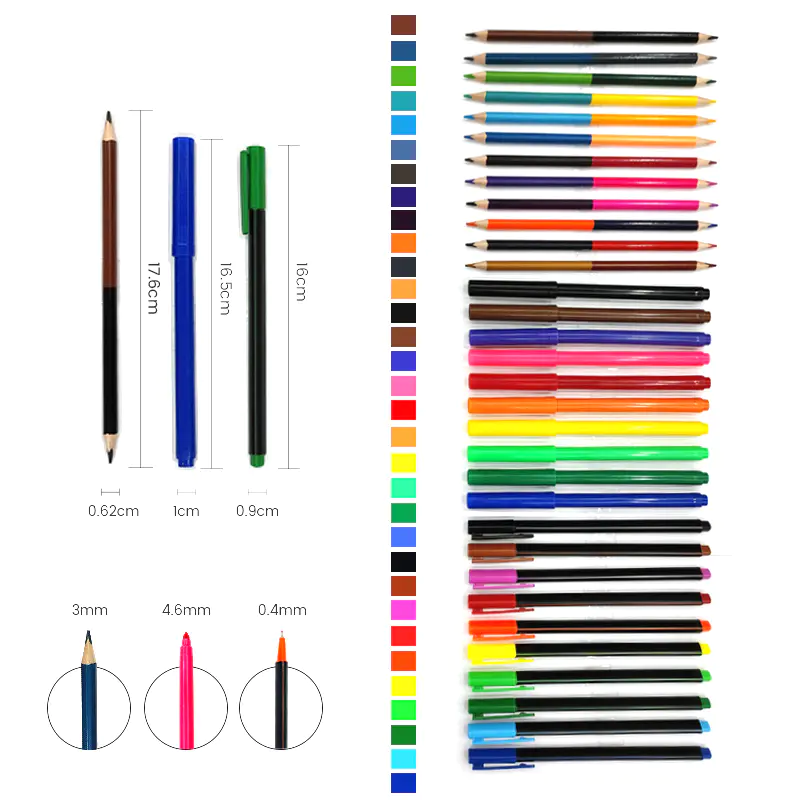
Product OverviewThe MBTZ-101 Watercolor Marker & Colored Pencil Set combines fiber-tip watercolor markers, sharpenable wood-barrel colored pencils...
View More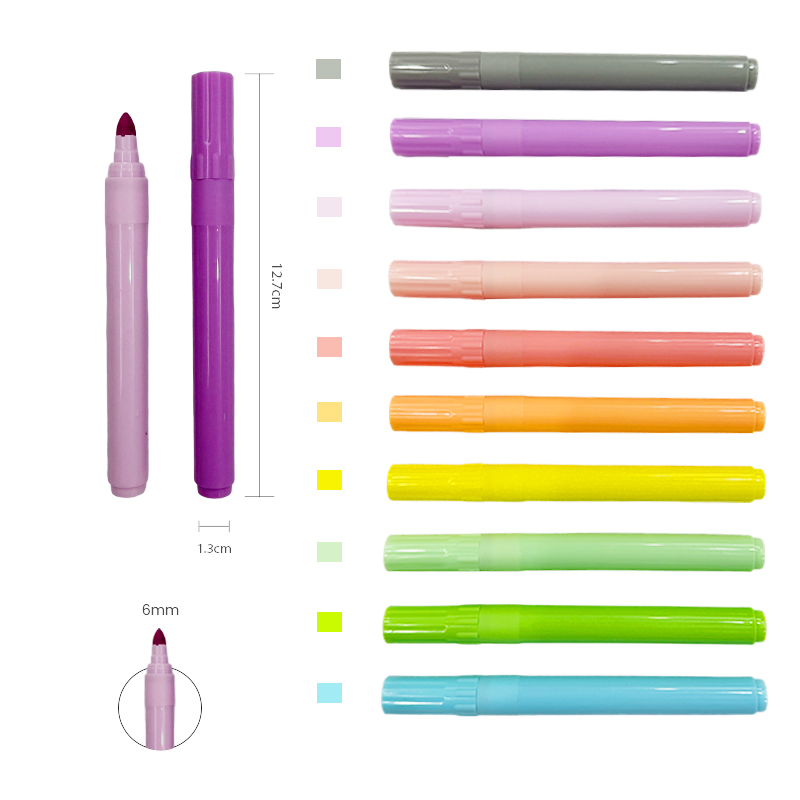
Product Overview The High-Opacity 6mm Round-Tip Watercolor Marker stands out for its high-coverage gouache ink that colors directly on dark paper – ...
View More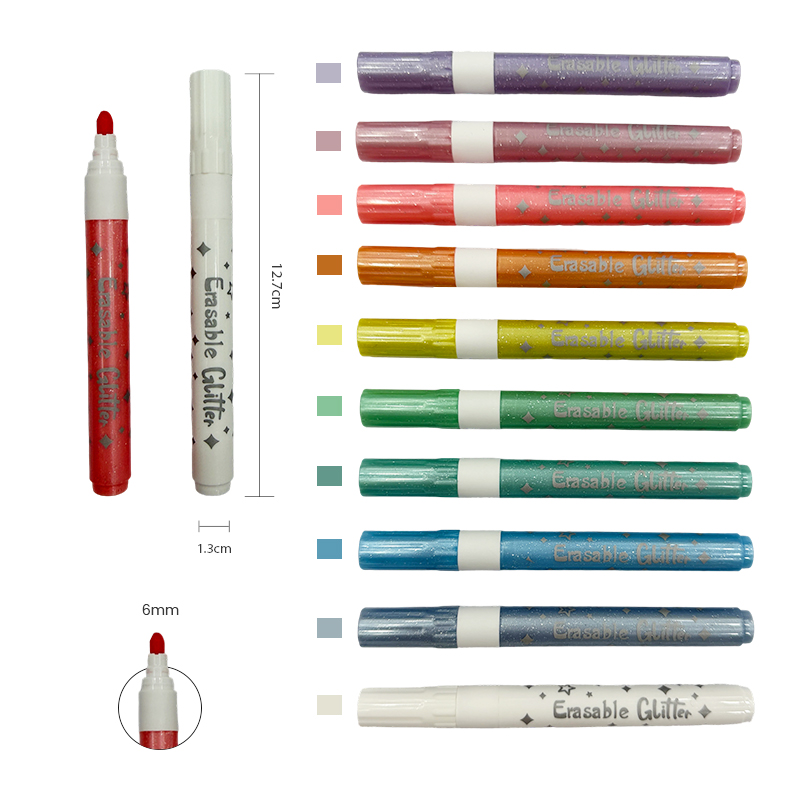
Product Overview The Eco-Friendly 6mm Round-Tip Erasable Highlighter set includes 9 shimmering colored pens plus 1 dedicated white eraser pen. Featuri...
View More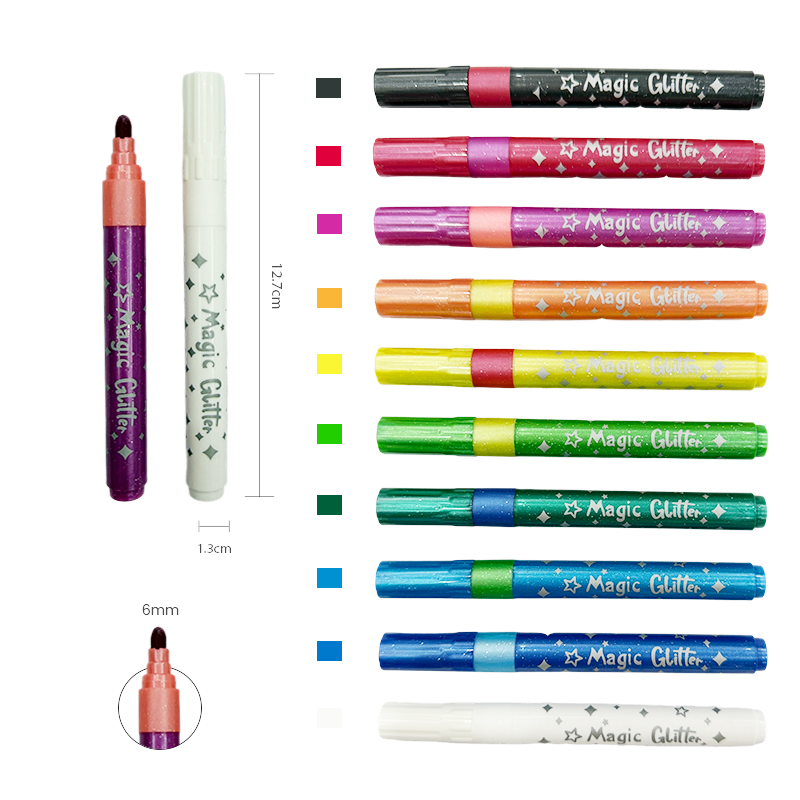
Product Overview The Children's Creative Magic Color-Changing Highlighter set includes 9 shimmering colored pens in different color families plus 1 de...
View More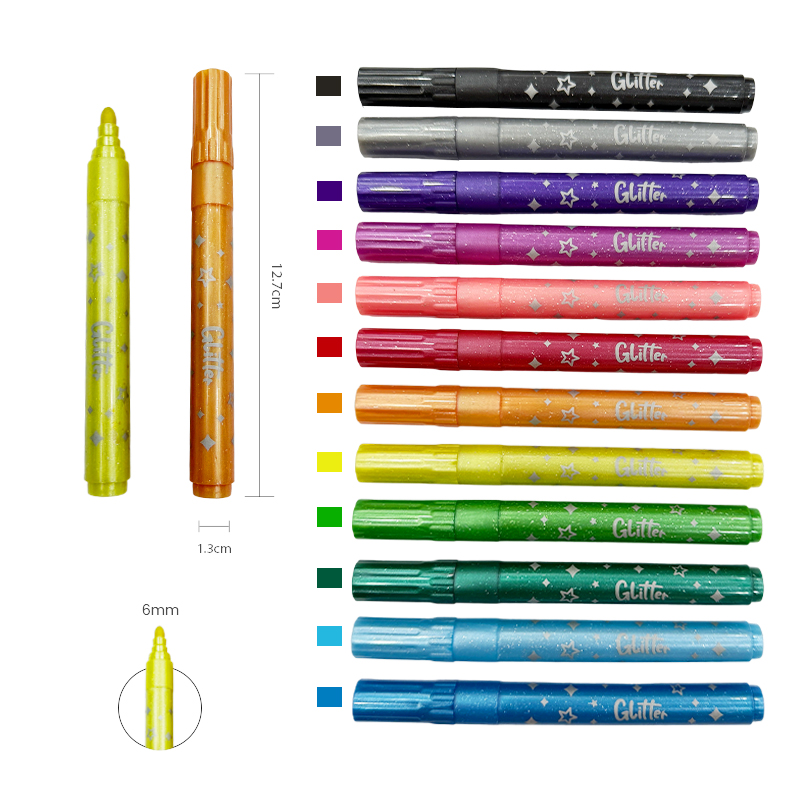
Product Overview The Vibrant 12-Color Single-Tip Highlighter Pen set includes 12 single-tip shimmering colored pens filled with water-based glitter in...
View More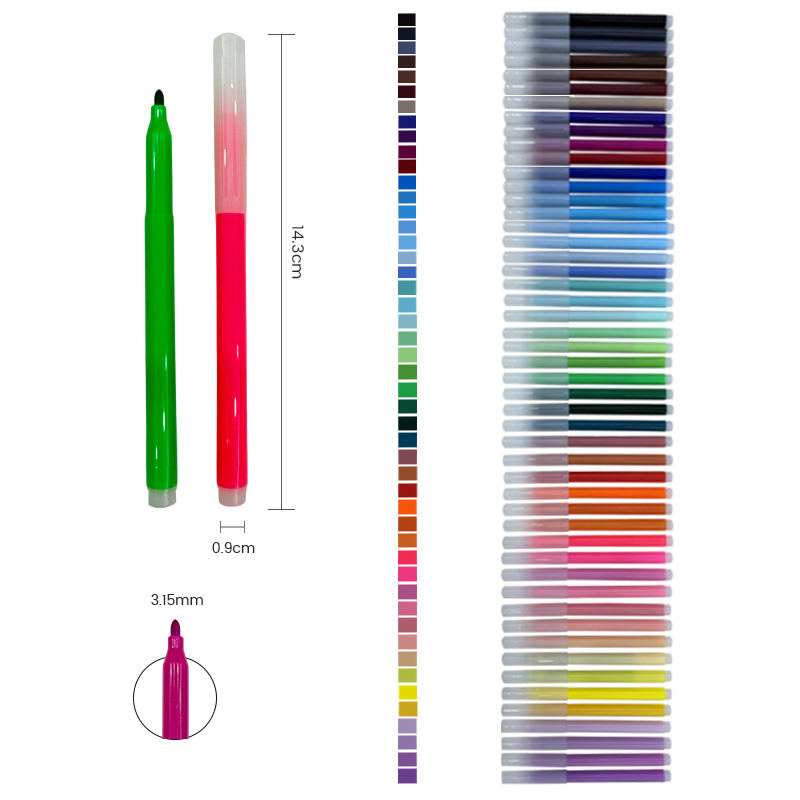
812-50 Smooth-Flowing 50-Color Watercolor Marker is suitable for Art enthusiasts and students. 1. Core Advantages (3-in-1 Value Proposition) Smooth In...
View More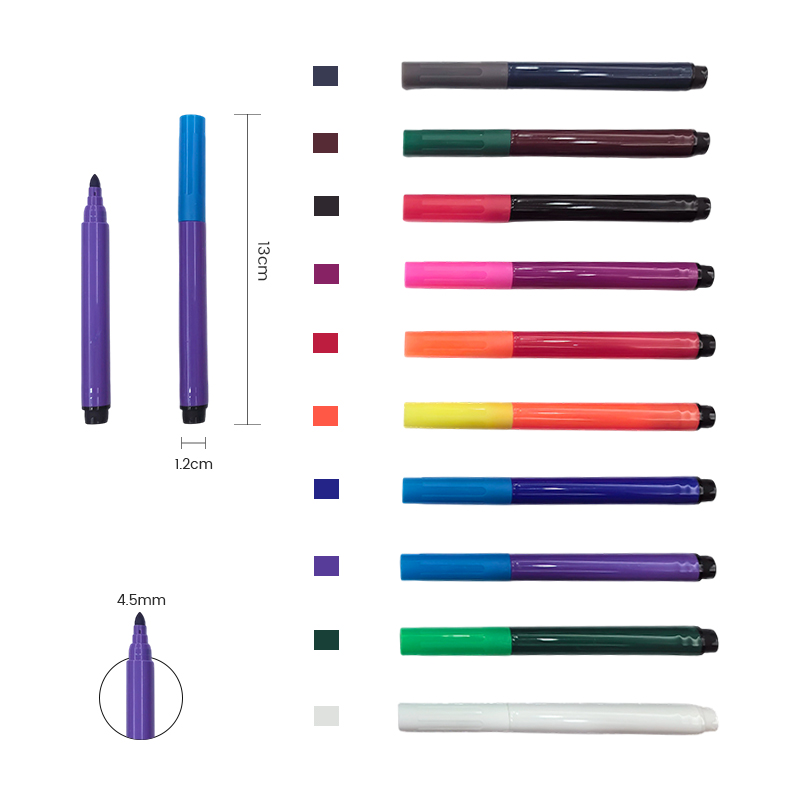
Designed to spark children's creativity and curiosity, these 801M-10 Two-Tone Barrel Magic Markers for School feature a unique characteristic: the ink...
View More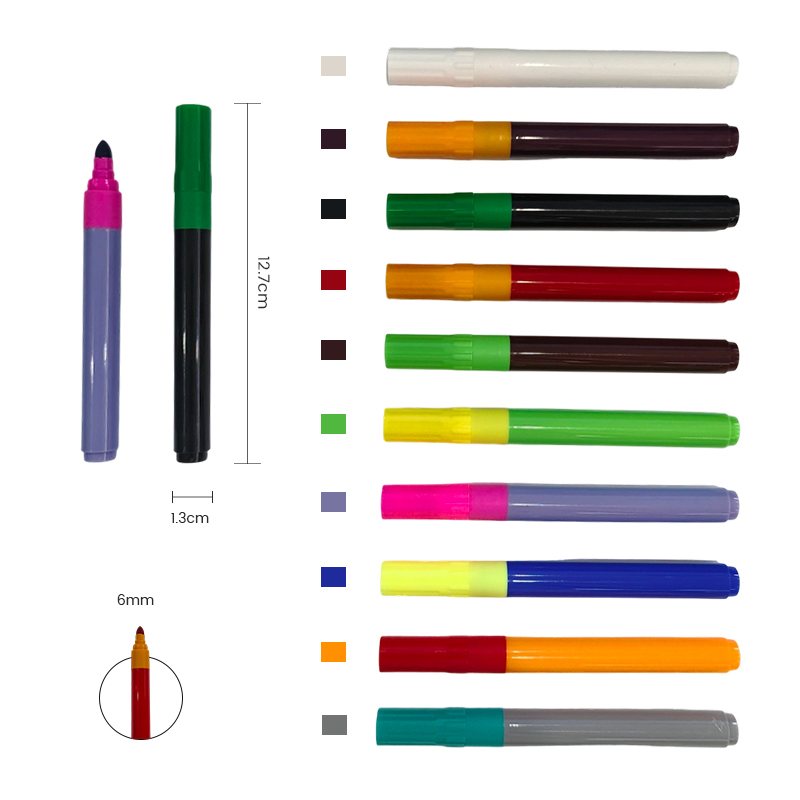
806M-10 Color Changing Magic Markers are a set of fun drawing tools designed for children, students, and creative enthusiasts, combining three core fe...
View More
TEL & Whatsapp: +86-15773630590
TEL :
+86-13676769913
+86-19519895579

E-mail :
[email protected]
[email protected]
[email protected]
[email protected]